











Julian Grant was a teenager when he arrived in the UK as a keen undergraduate 13 years ago. A student of modern history at the University of St Andrews, the US-born student fell for Scotland’s charm. Nine months after his degree, in 2017, Julian returned to do a master’s in Scottish history at the University of Glasgow and has lived continuously in Britain ever since.
Though he grew up in New Hampshire and Vermont, Julian has dedicated himself to studying and preserving Scottish history, completing a PhD on the impact of the tourism route, the North Coast 500 – a famous driving route in the Highlands – as well as volunteering to preserve a local church building near his home in Edinburgh. Such is his adoption of Scottish life that he speaks with a soft Scottish accent. He’s even a season ticket holder at the Hibernian football club.
But he now faces having to abandon the life and the community he has built when Labour’s immigration crackdown comes into force in April.
Mr Grant, 31, is among thousands of foreign nationals who fear they could have their futures in Britain snatched away by the sweeping changes, which would scrap the 10-year-long route to residence that Mr Grant was hoping to achieve settlement through.
Instead, people who have built their lives in the UK could face longer waits or even having to leave the country, throwing their futures into jeopardy.

Sir Keir Starmer is facing a furious Labour rebellion over the plans, which have been criticised as “the height of unfairness”. Dozens of Labour backbench MPs spoke out against the plans on Tuesday, calling them “un-British” and a “breach of trust” for migrants who arrived under existing rules. Neil Duncan-Jordan, Labour MP for Poole, said: “This policy is designed to out-Reform Reform and chase Nigel Farage’s tail, when we should be starting from fairness and securing the skills our country depends on.”
Shabana Mahmood plans to introduce a new 10-year wait for indefinite leave to remain, a 15-year baseline for care workers, and a 20-year wait for refugees. New waits will be based on income thresholds, grasp of English, criminal record and whether applicants have claimed benefits.
The changes will be applied retroactively, meaning foreign nationals who do not already have indefinite leave to remain in the UK – a form of permanent settlement – will be affected.
Mr Grant said he was “devastated” to hear Ms Mahmood’s pledge to overhaul routes to settlement. “It takes a huge amount of money and planning and care to build a life in a new place,” he told The Independent. “You invest all those things trusting that there is a stable pathway for people who follow the rules and contribute and have a sincere wish to integrate.
“There has been this rising tide of anti-immigrant thinking seeping into the political atmosphere, so I had a slight worry about this happening. I’ve stayed pretty up to date with rules changes because it is central to my forward planning, so I was just devastated when the proposals came through. I feel so part of this community here, and to be reminded that I’m not part of it in the most important way was really gutting.”
Mr Grant said that he would be “going back to zero” if the 10-year route to residence is scrapped, and if his years spent in the UK as a student or graduate are not counted towards the new visa requirements. “My current leave to remain expires in 2027 as I’m currently on a graduate visa because of my PhD.”
He is also worried about new salary requirements that could be introduced, as potential jobs in the conservation and history sector are unlikely to reach the threshold.
“All my time has been in Scotland. I have a really rich network of university friends who are spread far and wide. My whole professional life, my immediate community is here. It’s where I’ve built my life.”
Mr Grant also works on a volunteer basis with a community trust, called the Leith St. Andrew’s Trust, which aims to preserve a local church for its community outside of Edinburgh. His hope is that the plans will be rolled back to either keep the current 10-year route to settlement, or credit those who have already built a life in Britain.
Under the current system, skilled workers and spouses can apply for indefinite leave to remain in the UK after five years. Those who cannot meet the criteria for the five-year route, such as people who have spent a large portion of their time in the UK as students or graduates, can apply for the 10-year long residence route.
‘I’ve followed the rules… now my future is uncertain’
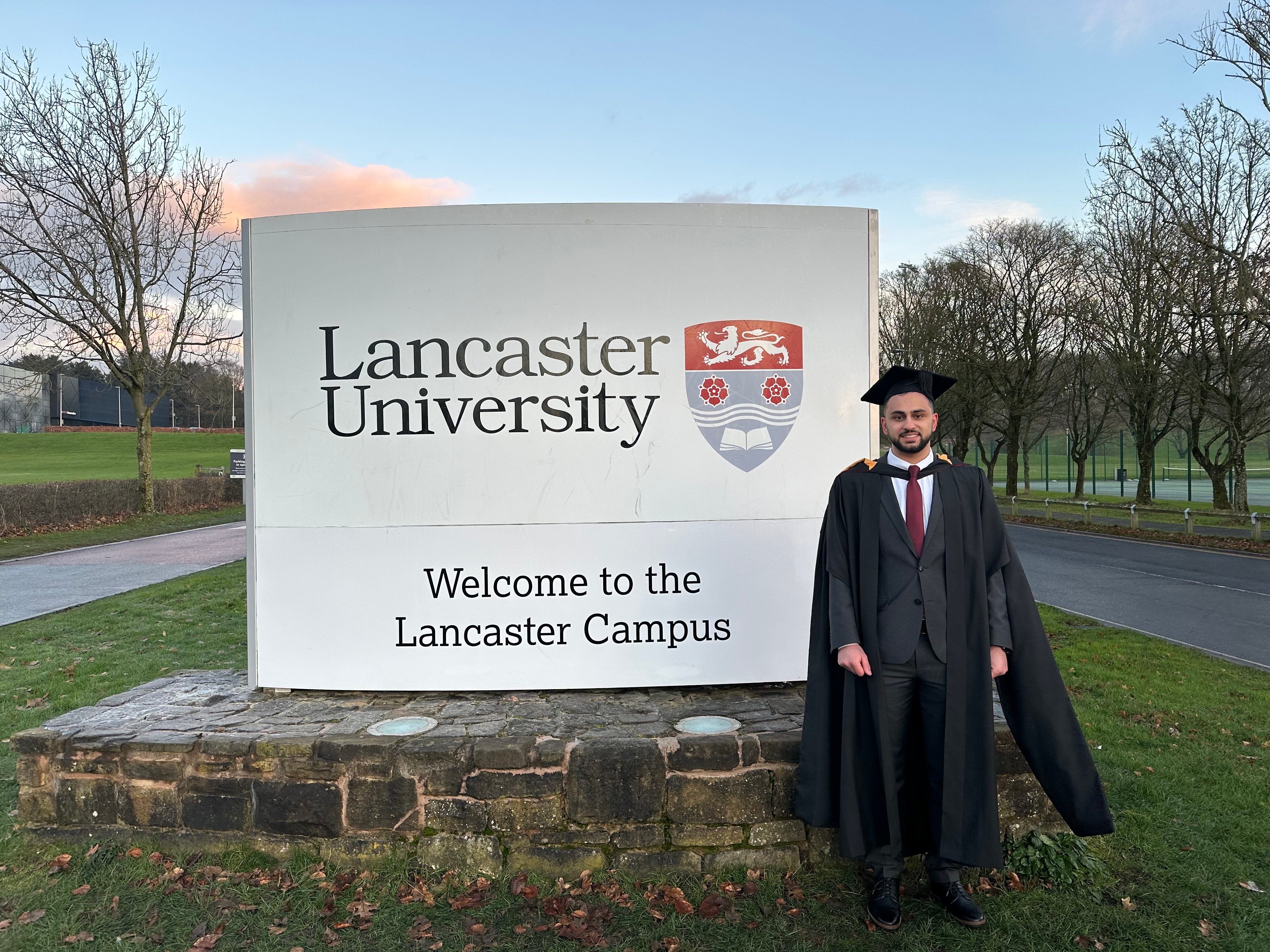
Teymur Valiyev, 26, has been living in the UK since he came as a student in 2017. He works in the commercial insights team at Barclays, and has a graduate degree in finance and a master’s in data science, both from Lancaster University.
After university, he made the move to work in London, where he now owns a house and lives with his long-term girlfriend.
He first came to the UK on a student visa, but is now on a skilled worker visa.

He said: “Most of my friends are here, through university, through work. I play football twice a week; I’ve met people through cycling.
“If I had known that my time in the UK on a graduate visa wouldn’t count to my settlement route, I would have tried to get the skilled worker visa right away.
“I’ve made sure that I’ve followed all the rules for over 8 years, knowing that I wanted to build a life here. The uncertainty is adding to the stress. If they came out and said what the new rules would be, it would at least allow people like me to rethink their choices about where to live and where to settle.”
Mr Valiyev thinks he might just be able to qualify for the new shorter five-year route that Ms Mahmood wants to introduce, but even then, this would mean a longer wait to get permanent status.
‘I love this country… I don’t want to start from zero’
Aurean Bumba Luemba, 24, came to the UK when she was 18 to study architecture and design. She studied at Nottingham Trent University, but has found breaking into the interior design sector difficult, as few employers are willing to help graduate workers get skilled worker visas now the salary requirements have increased.
Ms Luemba, who is from Angola, said: “I do love this country. I have integrated into the culture, I see myself living here. I’ve only left to go back home once, I’ve been abiding with the rules, I contribute, I go to church.

“I am worried that my clock will have to reset, which will mean more money, and it’s taking a mental toll on my emotions.
“I came to the UK by myself and I have built my life. I don’t want to restart completely from zero, which would be completely unfair because I do have a life in the UK.”
She is now looking to find work in the care sector so that she can get a work visa.
Swarda Chavan, who has organised a campaign against the changes, said they would affect doctors, PhD researchers, engineers, market professionals and graduates who have lived lawfully in the UK for more than seven years – with people facing “profound uncertainty about their future”.
Dr Dora-Olivia Nicol, CEO of the Work Rights Centre, said it was a “myth” that these radical changes were necessary when net migration is already falling. She added that the proposals “risk creating an underclass of people trapped in temporary status for decades”.
Nick Beales, at the refugee and migrant charity Ramfel, said that the plans were like “changing the rules of the game at half-time”, adding: “Many people, including parents of British children and young adults who’ve grown up in the UK, will have assumed based on government commitments that they would have been eligible for indefinite leave in the next six, 12 or 24 months.”
A Home Office spokesperson said: “The home secretary has set out her plans for the biggest legal migration reforms in 50 years.
“It is a privilege, not a right, to settle in the UK and it must be earned. We are replacing a broken immigration system with one that prioritises contribution, integration and respect for British values.”
Ahead of the changes in April, the Home Office is running a consultation until 12 February, seeking views on whether transitional arrangements should be in place for those already in the UK.