










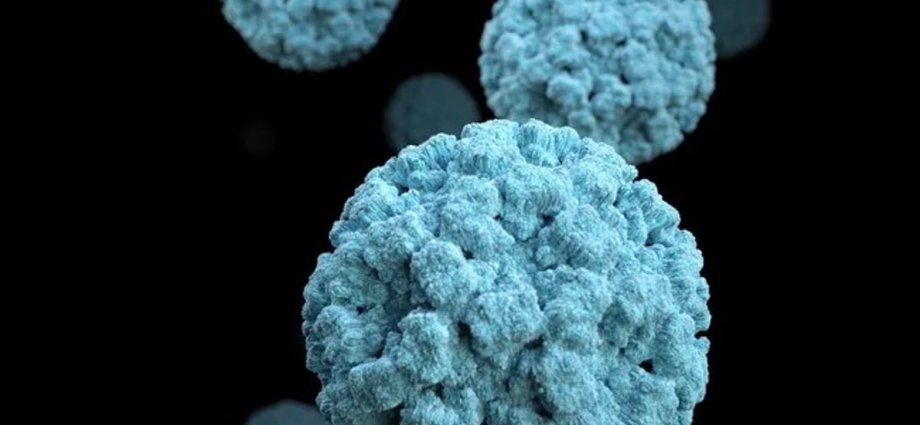
The number of patients in hospitals in England with norovirus has reached a new high for this winter, NHS figures show.
An average of 950 hospital beds were filled each day last week by people with diarrhoea, vomiting or norovirus-like symptoms, an increase of 15 per cent from last week.
The figures have been published in the latest weekly snapshot of the performance of hospitals in England.
“Seasonal viruses continue to cause disruption and take up hospital beds, with cases of the winter vomiting bug triple what they were at the start of the month,” NHS national medical director, Professor Meghana Pandit, said.
“You can prevent the spread of norovirus by frequent handwashing with soap and water and not returning to work, school or visiting hospitals until you are 48 hours symptom-free.”
Here’s what you need to know about norovirus.
What is norovirus?
“Norovirus is a highly contagious virus that causes gastroenteritis, which is an inflammation of the stomach and intestines,” explained Dr Chun Tang, GP at Pall Mall Medical. “It spreads easily through contaminated food, water, surfaces, or direct contact with an infected person.
“You can also get it by touching surfaces that have the virus on them and then putting your hands in your mouth, or by eating food that’s been handled by someone who has the virus.”
Norovirus is often mistakenly associated with the flu.

“Unlike respiratory viruses like influenza, norovirus specifically targets the gastrointestinal system,” clarified Dr Ashwin Sharma, from online pharmacy MedExpress.
In addition, many people think that because they feel better they must not be infectious anymore, and that isn’t the case.
“Most people can remain contagious for up to two weeks or more after symptoms have resolved,” Dr Sharma added.
Who is most at risk of getting norovirus?
“Anyone can catch norovirus, but it tends to spread more easily in environments where people are in close contact, like in schools, hospitals, or nursing homes,” noted Dr Tang.
“Young children, the elderly, and people with weakened immune systems are most at risk for severe symptoms because their bodies might not handle dehydration and other effects as well as others.
“But even healthy adults can get really sick from it because it’s so contagious.”
What are the symptoms of norovirus?
“Common symptoms of norovirus include nausea, diarrhoea, and vomiting,” said Dr Sharma. “In some cases, individuals may also experience additional symptoms such as fever, headaches, and body aches.
“It is important to monitor these symptoms and seek medical attention if they become severe or persistent.”
Dr Tang added: “The most important thing to watch for is dehydration, especially in young children or older adults, as it can happen quickly due to vomiting and diarrhoea.”

Over-the-counter medications can help with fever and aches, however, recovery mostly involves rest and letting the virus run its course while staying hydrated.
“The key is to stay hydrated by drinking plenty of fluids, especially if you’re vomiting or have diarrhoea,” advised Dr Tang. “In extreme cases, where dehydration becomes a problem, some people may need intravenous fluids.”
Can we do anything to prevent it?
“The most important thing is washing your hands regularly with soap and water, especially after using the bathroom or before eating,” said Dr Tang. “Hand sanitisers aren’t as effective against norovirus, so good old-fashioned handwashing is key.
“Also, make sure to clean and disinfect surfaces, especially in kitchens and bathrooms, and wash fruits and vegetables thoroughly before eating.
“If someone around you has norovirus, it’s best to avoid direct contact and be extra on top of your hygiene. If symptoms continue, contact a GP.”