










Graduates are being “squeezed” to fill government coffers, experts have warned amid growing fury at the student loans system.
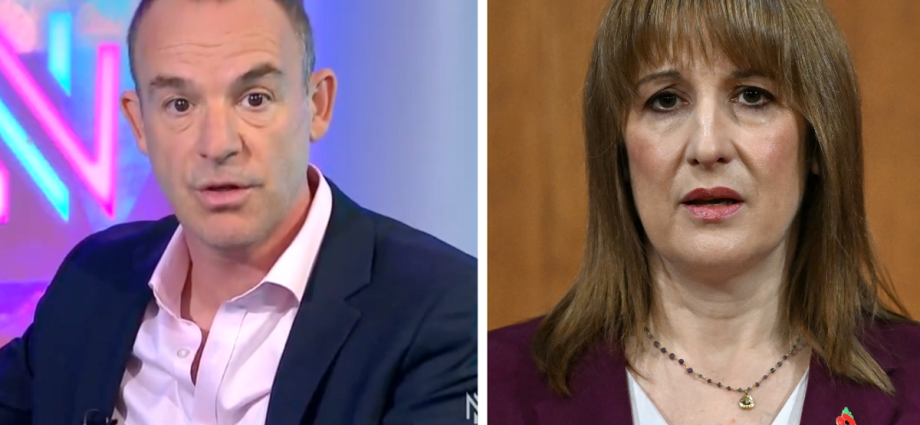
MoneySavingExpert founder Martin Lewis is among those who have condemned Rachel Reeves’ decision to freeze the student debt repayment threshold as the chancellor insisted the current system is “fair”.
At the Budget in November, it was announced that the salary at which graduates must begin to repay their plan 2 student loan was being frozen at £29,385 for three years from April 2027.
Mr Lewis estimated this would leave everybody who is above the threshold paying around £300 a year more than they currently do by 2030.
He demanded the government “have a rethink” and told Ms Reeves in a direct message: “I do not think it is a moral thing for you to do.”
His calls come as the chancellor claimed that the current student loans system is “fair” because the half of Britons who do not go to university should not have to “bear all the cost” for the other half who do.
.png)
But Toby Whelton, senior researcher at the charitable think tank Intergenerational Foundation think tank, argued that framing this issue as non-graduates paying for graduates “misses the point”.
He said: “The real question is what we owe young and future generations. Older generations largely had their tuition paid for by the taxpayer, but are now unwilling to extend the same support to those coming after them.
“Instead, graduates are being singled out as the path of least political resistance, squeezed to raise revenue for an increasingly cash-strapped government.”
Mr Whelton added that the benefits of higher education extend across society, and therefore “it is only fair that taxpayers who share in these gains also share some of the costs”.
His criticism comes after Ms Reeves launched a defence of the current student loan system.
She told LBC on Wednesday: “It is important that you don’t have to start paying back the student loan until you earn enough money. And that is the point of the student loan system – that you get the loan, you get that great university education, and you only pay it back if you can afford to do so.
“And obviously, after a period of time, that gets written off entirely. So if you are able to get a job that pays a good wage, you’ll pay that money back quicker. But if you’re never able to repay, that loan will eventually be written off.
“I think that is a fair system. Around half of people go to university today, but half don’t. And it is not right that people who don’t go to university are having to bear all the cost for others to do so.”
Mr Lewis strongly disagreed, branding the government’s decision to freeze the repayment threshold a “breach of natural justice” and calling on graduates to write to their MPs. Speaking on BBC Newsnight on Wednesday, he said: “It’s a breach of contract, it’s a breach of promise. And while I don’t think, technically, there’s a legal leg to stand on, there’s a moral leg to stand on.”
He told Ms Reeves in a direct message: “Chancellor, you know – you know that you’re doing this as fiscal drag as if student loans are a tax. But it’s not a tax, it’s a contract that the government signed with young people who had not been given any education on these loans. I do not think it is a moral thing for you to do to be freezing the repayment threshold in this way… This isn’t right – please have a rethink.”

The National Union of Students (NUS) has warned that a three-year freeze could leave new graduates struggling to afford rent, food, and bills.
Alex Stanley, NUS vice president of higher education, said: “At a time in our lives when we should be setting up our futures, graduates are feeling the cost of living and living paycheque to paycheque.
“We went to university, signed a complex contractual agreement with the Student Loans Company, and now that loan is a political football impacting our bank balances each month.
“We need to see this government show their commitment to the young people who have invested in their own futures, and raising the repayment thresholds is a good place to start.”
The student loan system was changed by the Conservative-Liberal Democrat government in 2012, with the introduction of the plan 2 repayment plan, which saw an increase in interest rates to RPI (Retail Price Index) plus up to 3 per cent depending on income.
The cap on tuition fees was also raised to £9,000, marking around a threefold increase, which forced most students to take out large loans to fund their higher education.
A Department for Education spokesperson said: “These loans were designed and implemented by the previous government. This government is reforming the student finance system to deliver a fairer deal for students in the future, including by re-introducing targeted maintenance grants.
“We’re making the tough but fair decisions needed to protect taxpayers and students. Lower-earning graduates will continue to be protected, with any outstanding loan and interest written off at the end of the loan term.”