









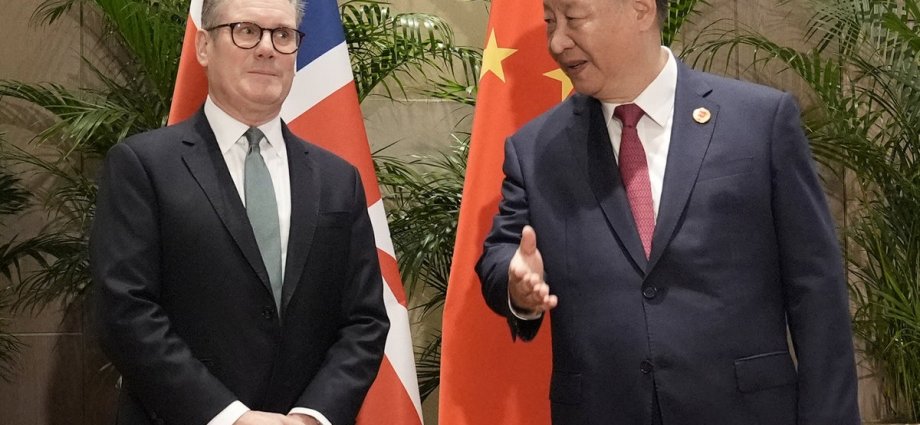
When Keir Starmer jets off to Beijing today, he will be the first prime minister to visit China in eight years.
But instead of a potential history-making journey or even the controversy of his visit, the prime minister may nervously be considering the fate of Margaret Thatcher in 1990, given his current travails with Greater Manchester mayor Andy Burnham.
Back then, the Iron Lady went to a dinner in the Palace of Versailles to celebrate the end of the Cold War in the midst of a vote on her leadership. After failing to get enough votes to see off Michael Heseltine, she came out of the dinner with her fate sealed and returned home to find she had, in effect, been deposed.
While Starmer has not quite reached the same crisis point in his premiership, it is fair to say that the plotting to remove him is now in full swing – whether it is attempts by Andy Burnham to return to parliament, or the machinations of his health secretary Wes Streeting or former deputy prime minister Angela Rayner.
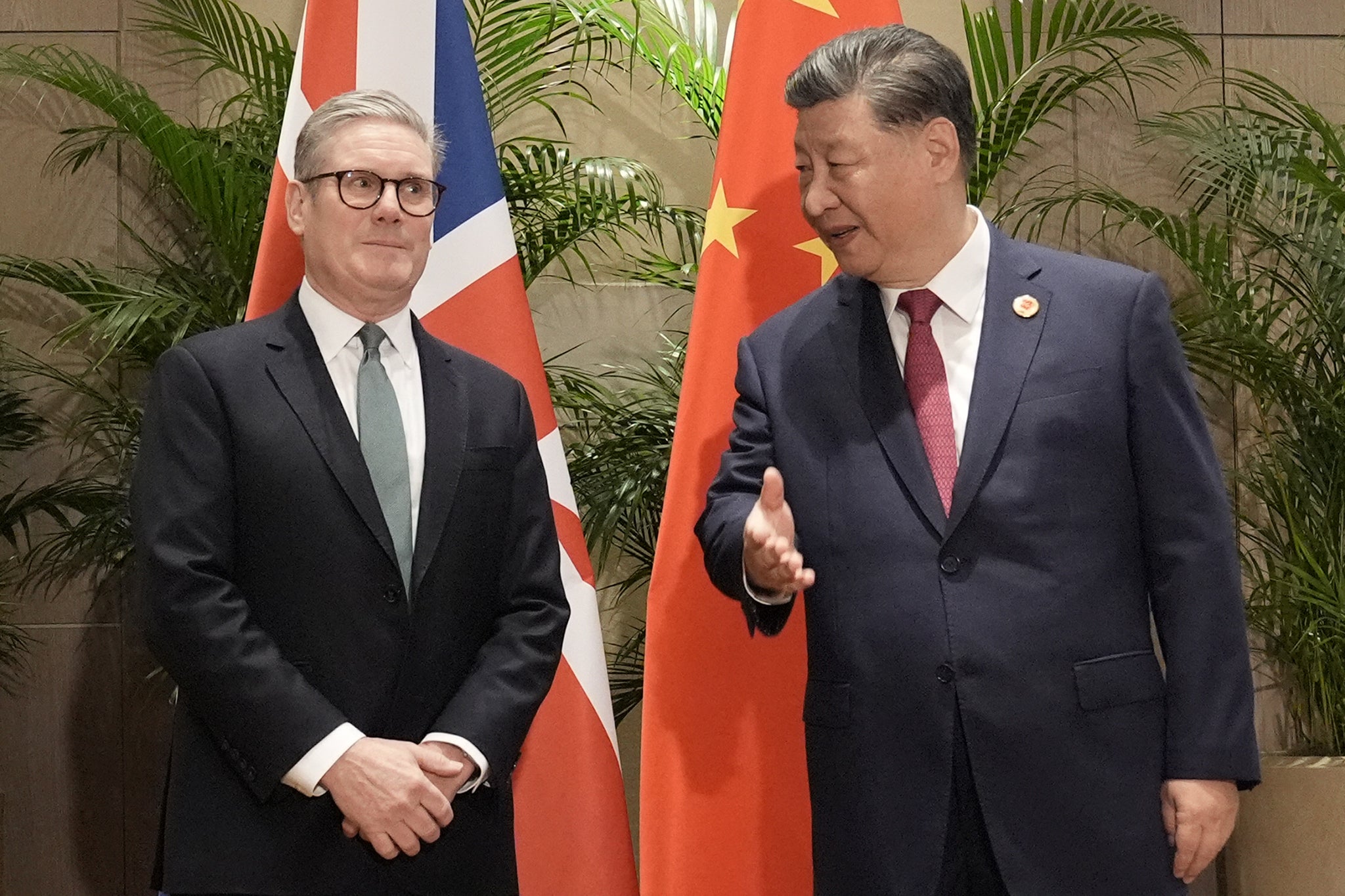
So this is maybe not the best time for a five-day trip to Beijing. While he is away, the plotting will only intensify, amid growing anger over the decision to block Burnham from running in the Gorton and Denton by-election.
Meanwhile, the prime minister, who has been touring the tea rooms in recent weeks to calm the nerves of Labour MPs, will not be there to deal with it.
Starmer may have until the local elections in May before facing a reckoning, but a showdown seems to be coming sooner rather than later.
However, there are other issues with this trip to China, which the PM will have to explain more publicly – not least the controversial nature of what some will see as going and bending the knee at the court of President Xi Jinping.
‘Never here Keir’
Opponents will relish the opportunity to dust off the “never here Keir” jibe – the suggestion that Starmer is too often overseas – but the prime minister is determined to end what he has dubbed an “ice age” under previous Tory governments, and improve Britain’s ties with China.
The last PM to make the journey was Theresa May, who went on an official visit in 2018, in what was a rare break from the Brexit travails back home that eventually forced her to step down.
But as Starmer flies to Beijing, the world is the most unstable it has been for a generation.
His relationship with Donald Trump appears to have hit its lowest point yet, with the US president openly mocking him about the Chagos Islands deal and threatening tariffs on the UK for supporting Denmark over Greenland.
Worse still has been the insult to British veterans who fought in Afghanistan supporting American troops. And the fact that Starmer has yet to accept the invitation to join Trump’s peace board for Gaza is a sign that things have gone badly awry.
This means the prime minister’s careful positioning of the UK as “the bridge” between the US and Europe is all but dead as a policy.
The ‘super embassy’ decision and spies
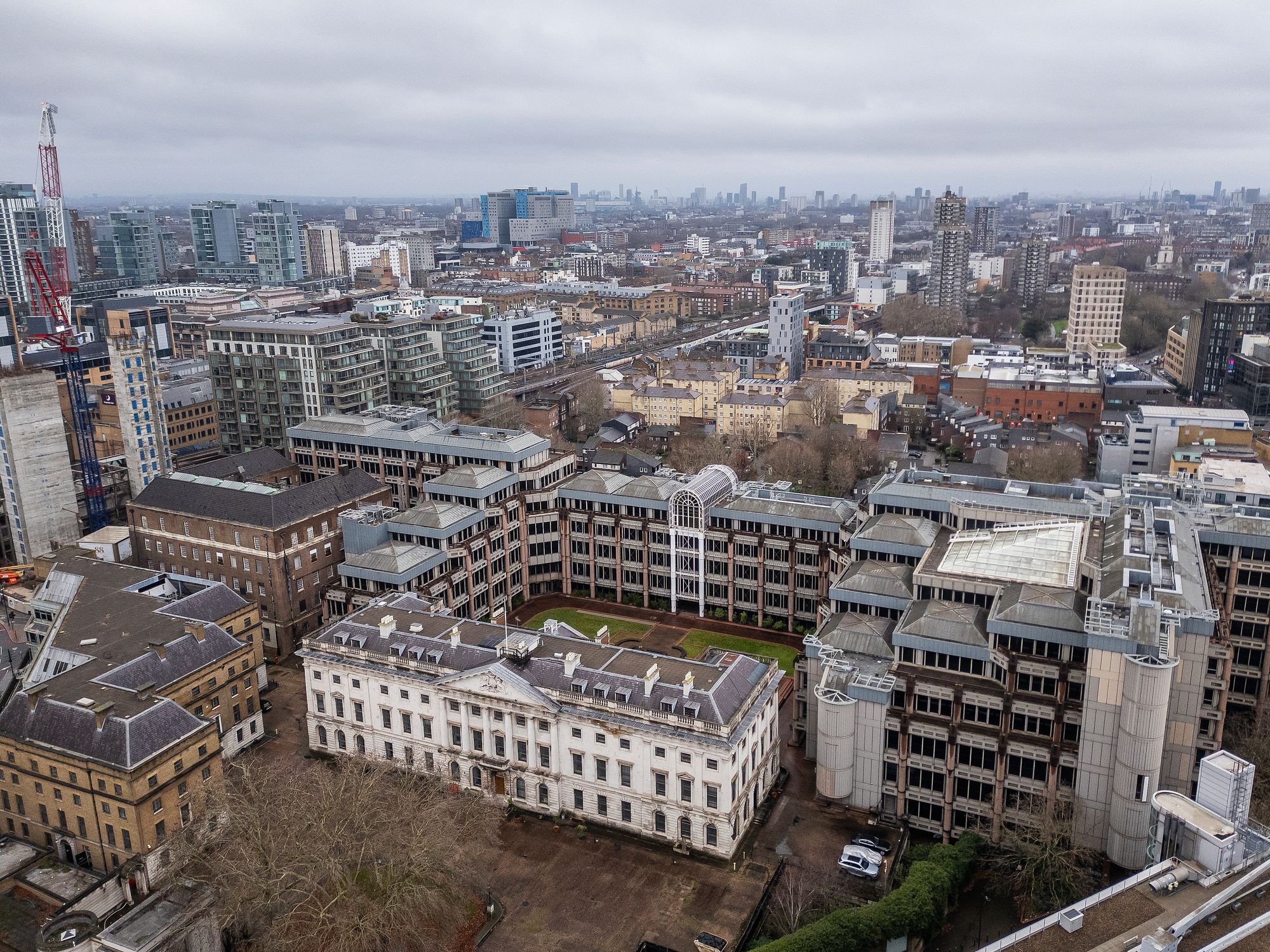
It is no coincidence that the trip to China comes just days after his government gave permission for a new “super embassy” in central London, despite security warnings from MI5.
There are also awkward questions over whether the deal with Mauritius to hand over the Chagos Islands to them will open the door to China – an issue which is vexing the Trump administration.
There are other issues, too. China’s ongoing persecution of political dissidents in Hong Kong and abandonment of the agreement with the UK when it was handed over to them in 1997. The imprisonment of British citizen Jimmy Lai is an ongoing sore. Not to mention the persecution of the Uyghurs.
Then there are the problems of Chinese operatives acting against dissidents in the UK, China stealing UK copyright material and the dangers of Chinese companies investing in universities and infrastructure.
And, of course, the anger over the abandonment of a trial of two suspected Chinese spies in parliament is still blamed on Starmer and his government by many.
All these issues and more make the prime minister’s visit extremely controversial – to say the least.
Going for growth
The reality is that the prime minister – just as his chancellor Rachel Reeves did last year – needs to go and ask for Chinese investment in the UK.
The economic problems, the lack of growth, the departure of the wealthy, and international turmoil mean that the UK cannot spurn Chinese investment. Starmer, like the leaders of France and Germany, both of whom have visited Beijing in recent months, is in many ways going cap in hand.
However, in a world lacking in stability and with the UK struggling to find its place, Starmer has little choice but to head to China and make his case.
In reality, though, he is simply carrying on the policy of the previous Tory governments of engagement with Beijing while being suspicious of the Chinese Communist Party and protecting against its excesses.
As Starmer flies out to build something for the future of the UK and his own government, he may well be wondering how long he personally has to deliver as prime minister. The flight to China could all too easily become a legacy trip, just as it did for Theresa May’s failing government.