









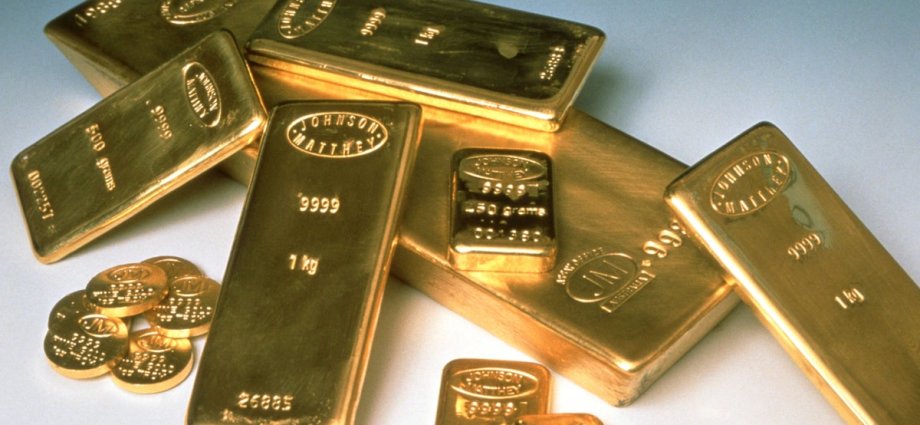
Gold has soared to an unprecedented high, breaching the $5,000 (£3,600) an ounce mark on Monday, as investors flock to buy the precious metal amidst escalating global uncertainties.
Spot gold XAU= rose 1.98 per cent to $5,081.18 per ounce by 3.23am GMT, after touching $5,092.71 earlier. US gold futures GCcv1 for February delivery gained 2.01 per cent to $5,079.30 per ounce.
The metal soared 64 per cent in 2025, supported by sustained safe-haven demand, US monetary policy easing, robust central bank buying – with China extending its gold-buying spree for a 14th month in December – and record inflows into exchange-traded funds. Prices have gained more than 17 per cent this year.
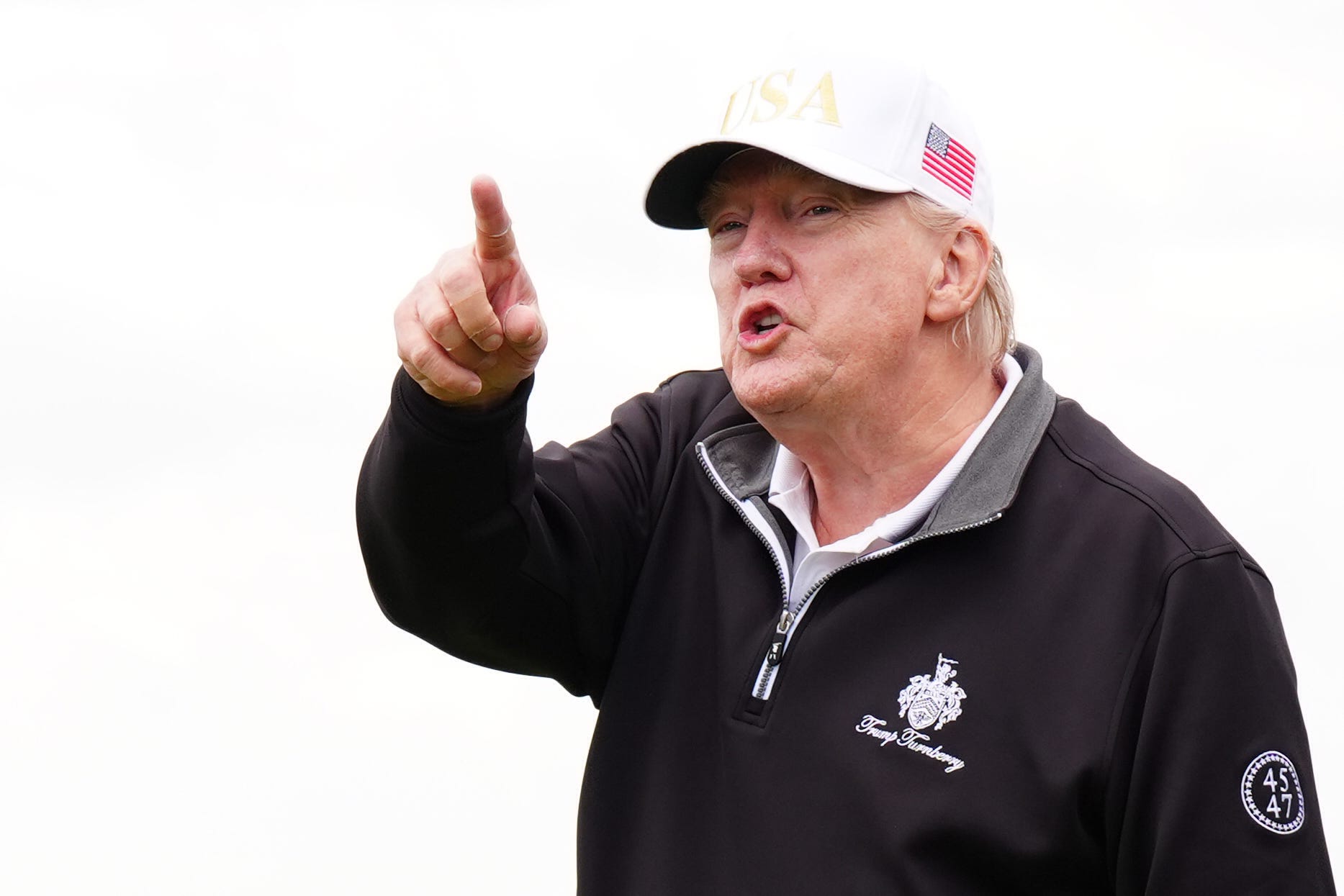
The latest catalyst “is effectively this crisis of confidence in the US administration and US assets, that was set off by some of the erratic decision-making from the Trump administration last week”, said Kyle Rodda, a senior market analyst at Capital.com.
US president Donald Trump abruptly stepped back on Wednesday from threats to impose tariffs on European allies as leverage to seize Greenland.
Over the weekend, he said he would impose a 100 per cent tariff on Canada if it followed through on a trade deal with China.
He has also threatened to hit French wines and champagnes with 200 per cent tariffs in an apparent effort to pressure French president Emmanuel Macron into joining his Board of Peace initiative. Some observers fear the board could undermine the United Nations’ role as the main global platform for conflict resolution, though Trump has said it will work with the UN.
“This Trump administration has caused a permanent rupture in the way things are done, and so now everyone’s kind of running to gold as the only alternative,” Rodda added.
Meanwhile, a rising yen dragged the dollar broadly lower early on Monday, with markets on alert for possible intervention in the yen and investors cutting dollar positions ahead of this week’s Federal Reserve meeting.
A weaker dollar makes greenback-priced gold more affordable for holders of other currencies.
“We expect further upside [for gold]. Our current forecast suggests that prices will peak at around $5,500 later this year,” said Philip Newman, director at Metals Focus.
“Periodic pullbacks are likely as investors take profits, but we expect each correction to be short-lived and met with strong buying interest,” Newman added.
Spot silver XAG= was up 5.79 per cent at $108.91 per ounce, after hitting a record of $109.44. Spot platinum XPT= rose 3.77 per cent to $2,871.40 per ounce, after hitting a record high of $2,891.6 earlier in the session, while spot palladium XPD= rose 3.2 per cent to $2,075.30 per ounce, a more than three-year high.
Silver climbed above the $100 mark for the first time on Friday, building on its 147 per cent rise last year as retail-investor flows and momentum-driven buying compounded a prolonged spell of tightness in physical markets for the metal.
.png)
Here are some ways to invest in gold.
Spot market
Large buyers and institutional investors usually buy gold from big banks. Prices in the spot market are determined by real-time supply and demand dynamics.
London is the most influential hub for the spot market, with the London Bullion Market Association setting standards for gold trading and providing a framework for the over-the-counter market to facilitate trades among banks, dealers, and institutions.
China, India, the Middle East and the US are other major gold-trading centres.
Investors can also get exposure to gold via futures exchanges, where people buy or sell a particular commodity at a fixed price on a particular date in the future.
COMEX, part of the New York Mercantile Exchange, is the largest gold futures market in terms of trading volumes.
The Shanghai Futures Exchange, China’s leading commodities exchange, also offers gold futures contracts. The Tokyo Commodity Exchange, popularly known as TOCOM, is another big player in the Asian gold market.
Exchange-traded products or exchange-traded funds issue securities backed by physical metal, allowing people to gain exposure to gold prices without taking delivery of the metal itself.
Global gold ETFs saw record inflows in 2025, led by North American funds, according to World Gold Council data. Annual inflows surged to $89bn.
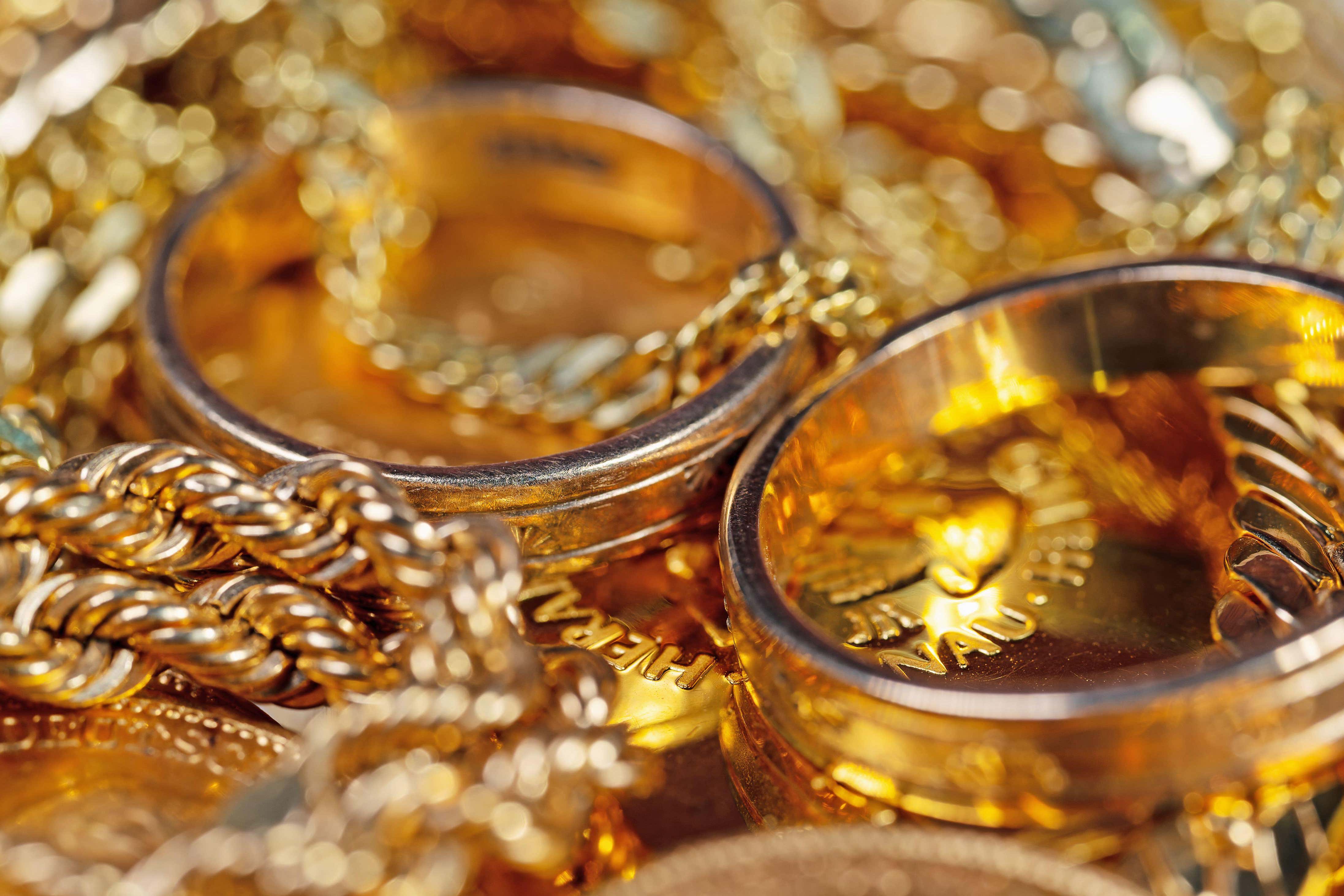
Retail consumers can buy gold from traders selling bars and coins in shops or online. Gold bars and coins are both effective means of investing in physical gold.
Investors in top consumers China and India have moved more towards purchasing bars and coins as opposed to jewellery amid surging spot prices. GOL/AS
What drives the market?
Investor interest and market sentiment
Rising interest from investment funds in recent years has been a major factor behind bullion’s price moves, with sentiment driven by market trends, news and global events fuelling speculative buying or selling of gold.
Foreign exchange rate
Gold is a popular hedge against currency market volatility. It has traditionally moved in the opposite direction to the US dollar, since weakness in the US currency makes dollar-priced gold cheaper for holders of other currencies and vice versa.
Monetary policy and political tensions
The precious metal is widely considered a safe haven during times of uncertainty.
US president Donald Trump’s trade tariffs have sparked a global trade war, rattling currency markets.
Trump’s capture of Venezuelan leader Nicolas Maduro and aggressive statements on acquiring Greenland have added to volatility since the start of 2026.
Global central banks’ policy decisions also influence gold’s trajectory. Lower interest rates reduce the opportunity cost of holding gold, since it pays no interest.
Central bank gold reserves
Central banks hold gold in their reserves, and demand from this sector has been robust in recent years because of macroeconomic and political uncertainty.
The World Gold Council said in its annual survey in June that more central banks plan to add to their gold reserves within a year despite high prices.
Net central bank purchases in November totalled 45 metric tonnes, World Gold Council data showed, pushing the figure for the first 11 months of 2025 to 297 tonnes as emerging market central banks continued their significant gold buying.
China kept adding gold to its reserves, with its holdings totalling 74.15 million troy ounces at the end of December from 74.12 million in the previous month as it extended its buying spree for the 14th month in a row.
Poland’s central bank, which held 550 tonnes of gold at the end of 2025, aims to lift reserves to 700 tonnes, governor Adam Glapinski said this month