









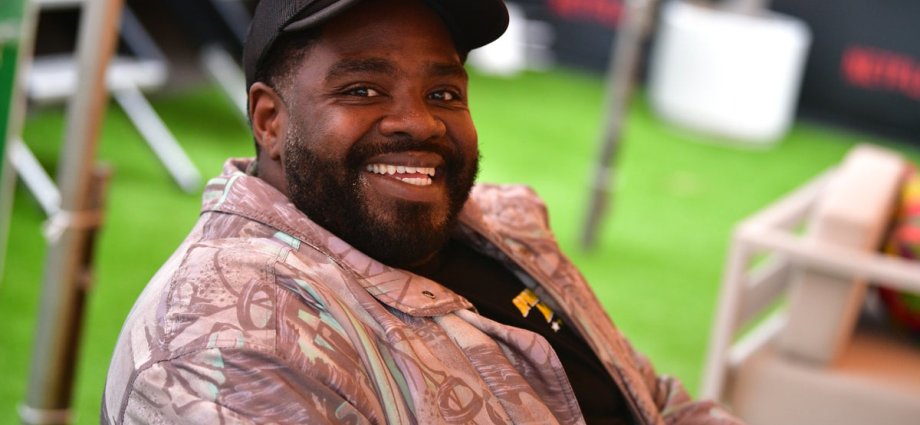
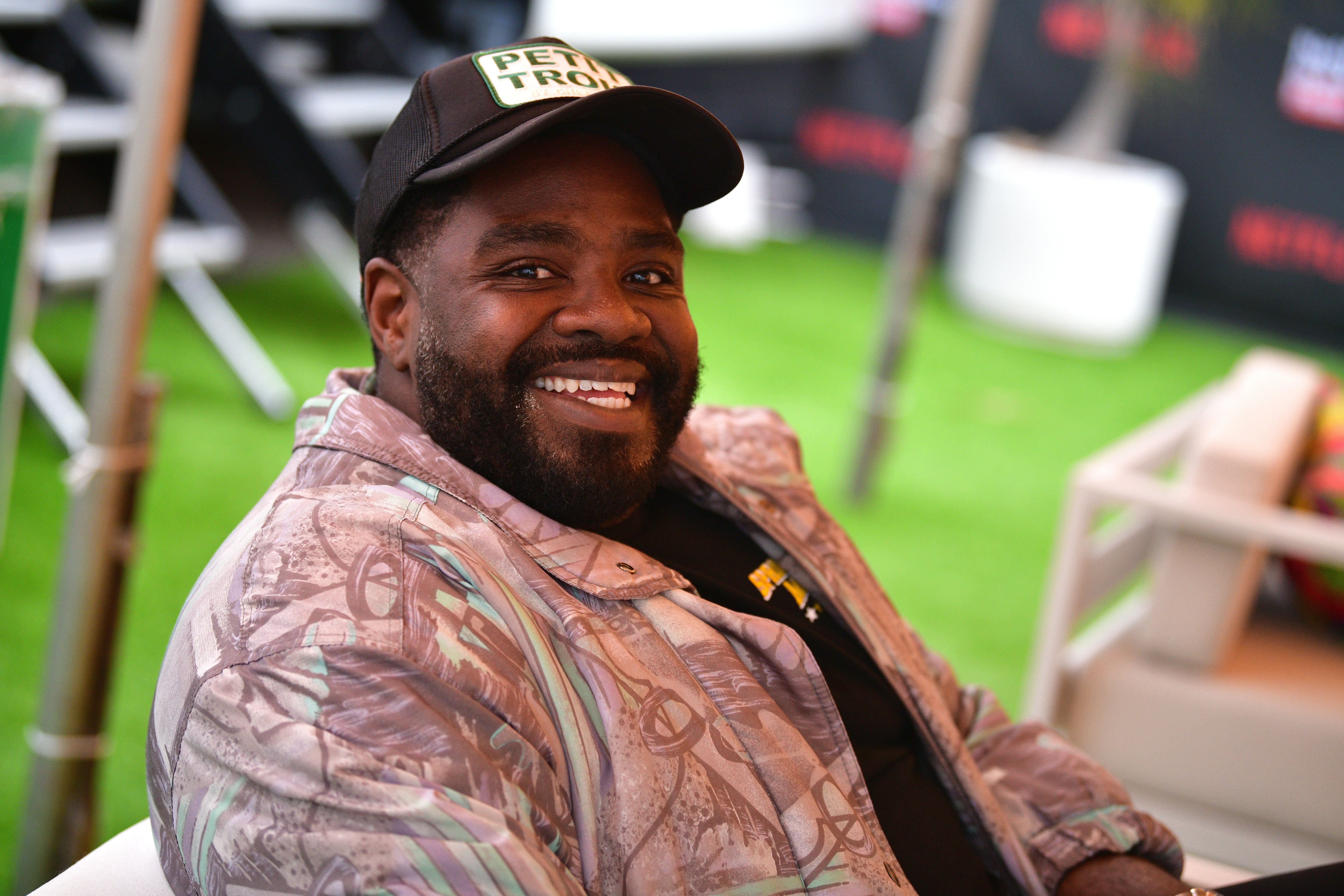
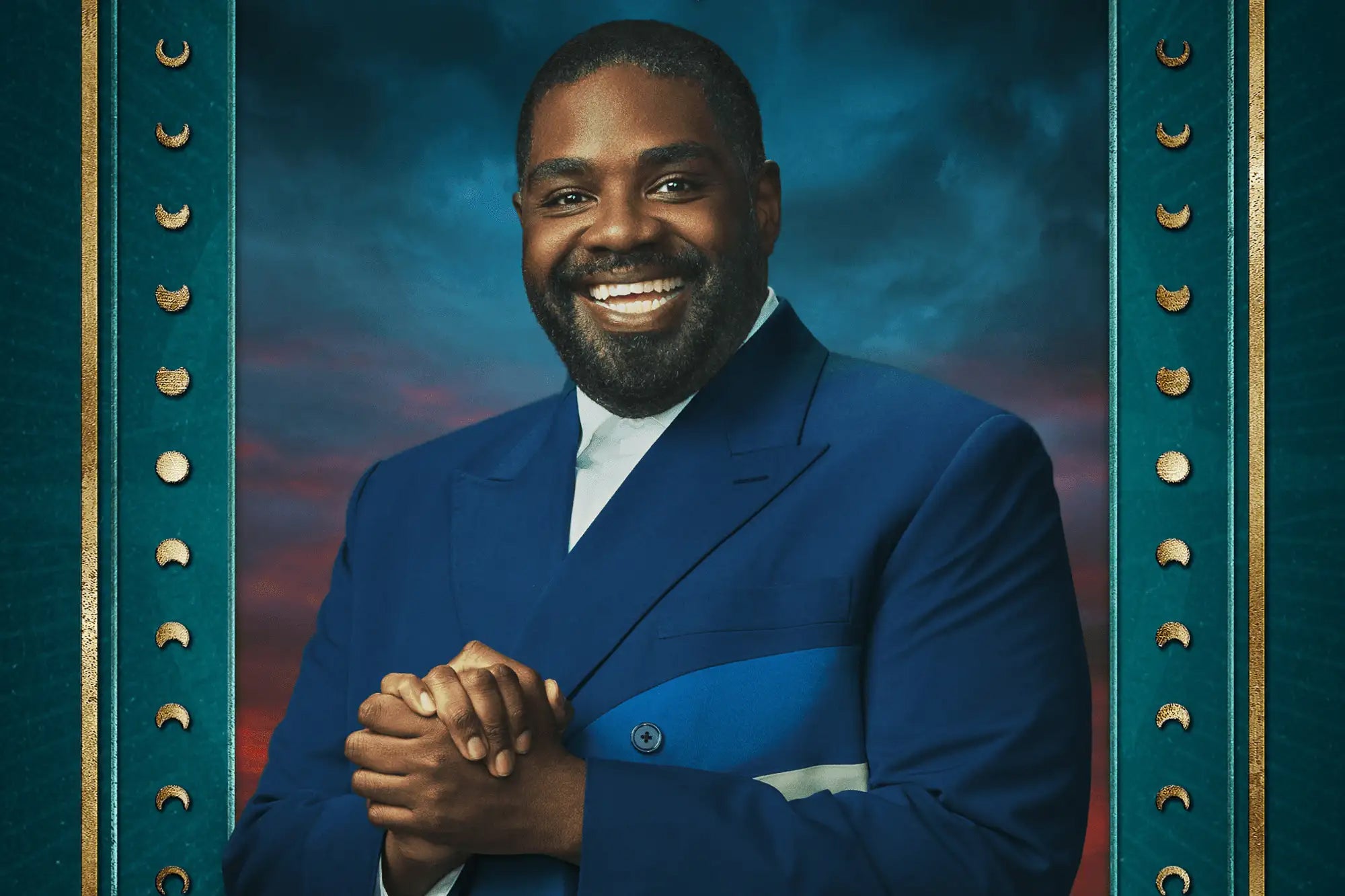
Ron Funches has been diagnosed with autism after competing on season four of The Traitors — a revelation he says was inspired by viewers.
*Warning — Spoilers for season four of ‘The Traitors’ U.S. to follow*
Ahead of Thursday’s episode, the stand-up comedian shared the news on his Instagram Story, acknowledging that online speculation about his behavior on the Peacock series ultimately prompted him to seek a diagnosis.
“Well the internet told me I was autistic and was right,” the post read. “You win this round. Still not gay. Yet.”
“Thanks @thetraitorsus for helping me find out more about me through some type of cruel trauma,” he added.
Autism is a lifelong developmental disability that affects how people perceive the world and interact with others, according to the National Autistic Society. It is a spectrum condition, meaning it can present differently from person to person, often impacting communication and social interaction.
In a follow-up Story, Funches shared a screenshot of an article discussing his diagnosis, urging viewers to show compassion.
“Please be kind to others even if it’s on a murder-based game show,” he wrote. “It’s a game, and you never know what people are dealing with. Or what they don’t know they are dealing with.”
During his time on The Traitors, Funches frequently found himself on the outskirts of the group after incorrectly accusing Porsha Williams of being a traitor. He later aligned himself with Donna Kelce, who was banished early in the season as part of a new “Secret Traitor” twist.
As the season progressed, Funches became a recurring target for banishment and was often ostracized by fellow cast members. In Thursday’s episode, he anticipated his elimination, going around the round table to say goodbye before ultimately being voted out.
Before revealing his diagnosis, Funches shared on Threads that he was undergoing testing after noticing similarities between his own behavior and that of his 21-year-old son, Malcolm, who was diagnosed with autism at age two.
“I honestly didn’t know I myself had autism,” he wrote. “I thought I was just an ally and parent of an autistic child. But the way I felt I wasn’t being comprehended or understood while I thought I was being direct — and seeing some of my own mannerisms — made me start the process of going to get a diagnosis.”