










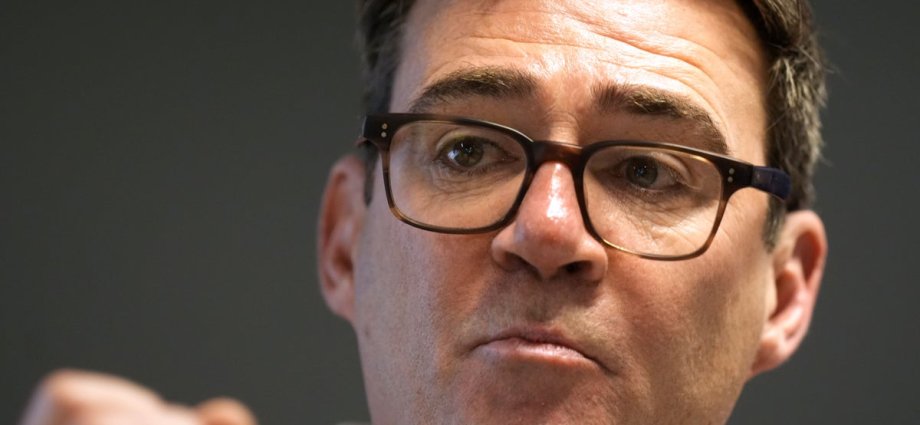
Speculation has mounted that Andy Burnham may soon make his move towards Labour leadership, as a former minister stands down as MP in his Greater Manchester seat.
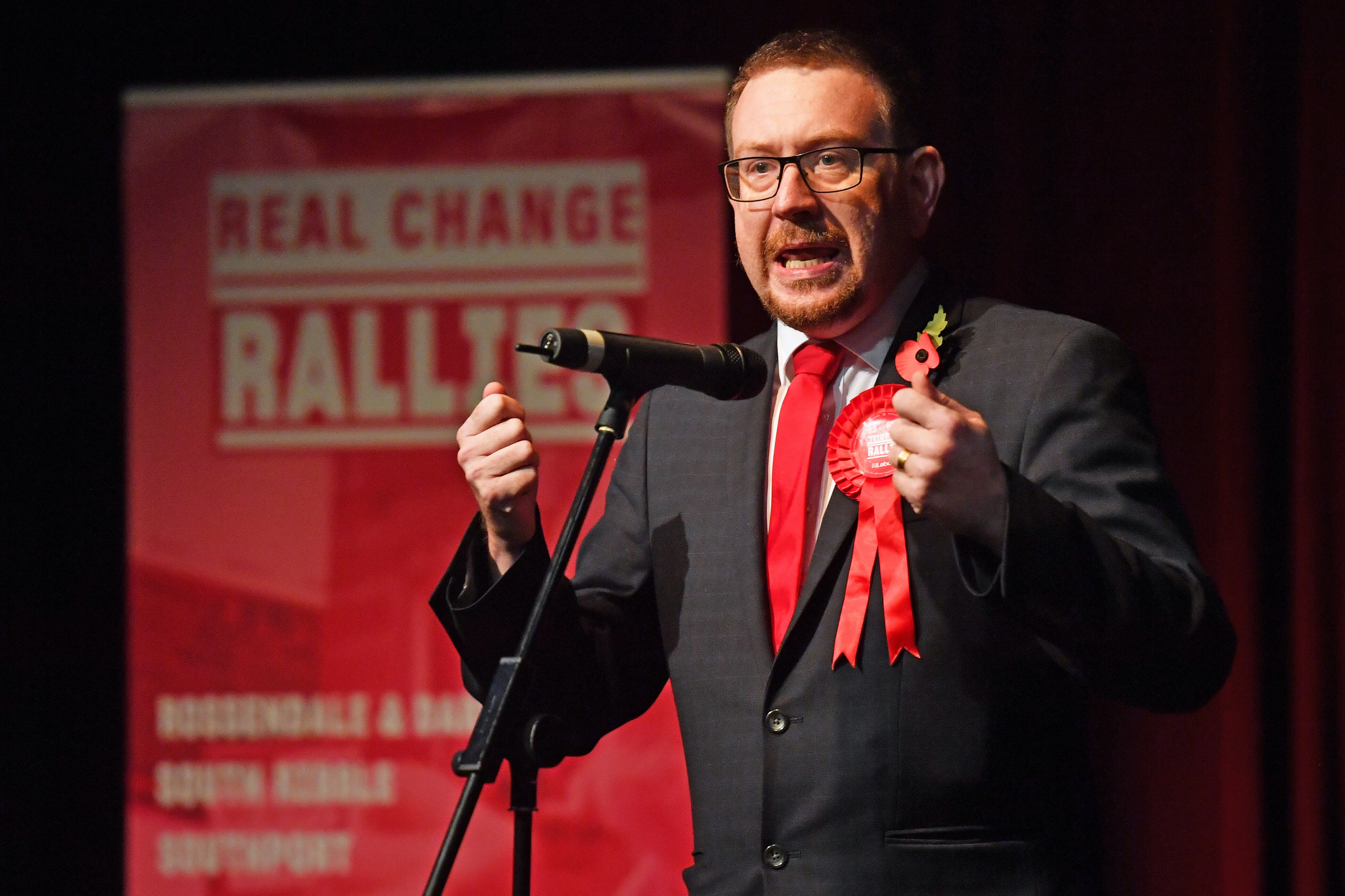
Andrew Gwynne, the MP for Gorton and Denton, had previously denied that he was intending to vacate the seat, saying in September that it was not a “route to No 10”. But the former Labour minister, who has been away from parliament on sick leave, announced his resignation on Thursday afternoon.
His departure creates a potential route for the mayor of Greater Manchester to return to the Commons for the first time in nearly a decade, putting him in a position that would allow him to challenge Sir Keir Starmer’s position.
It is understood that several Labour MPs are quietly urging the “King of the North” to take on the prime minister, concerned about Labour’s ailing position in the polls.
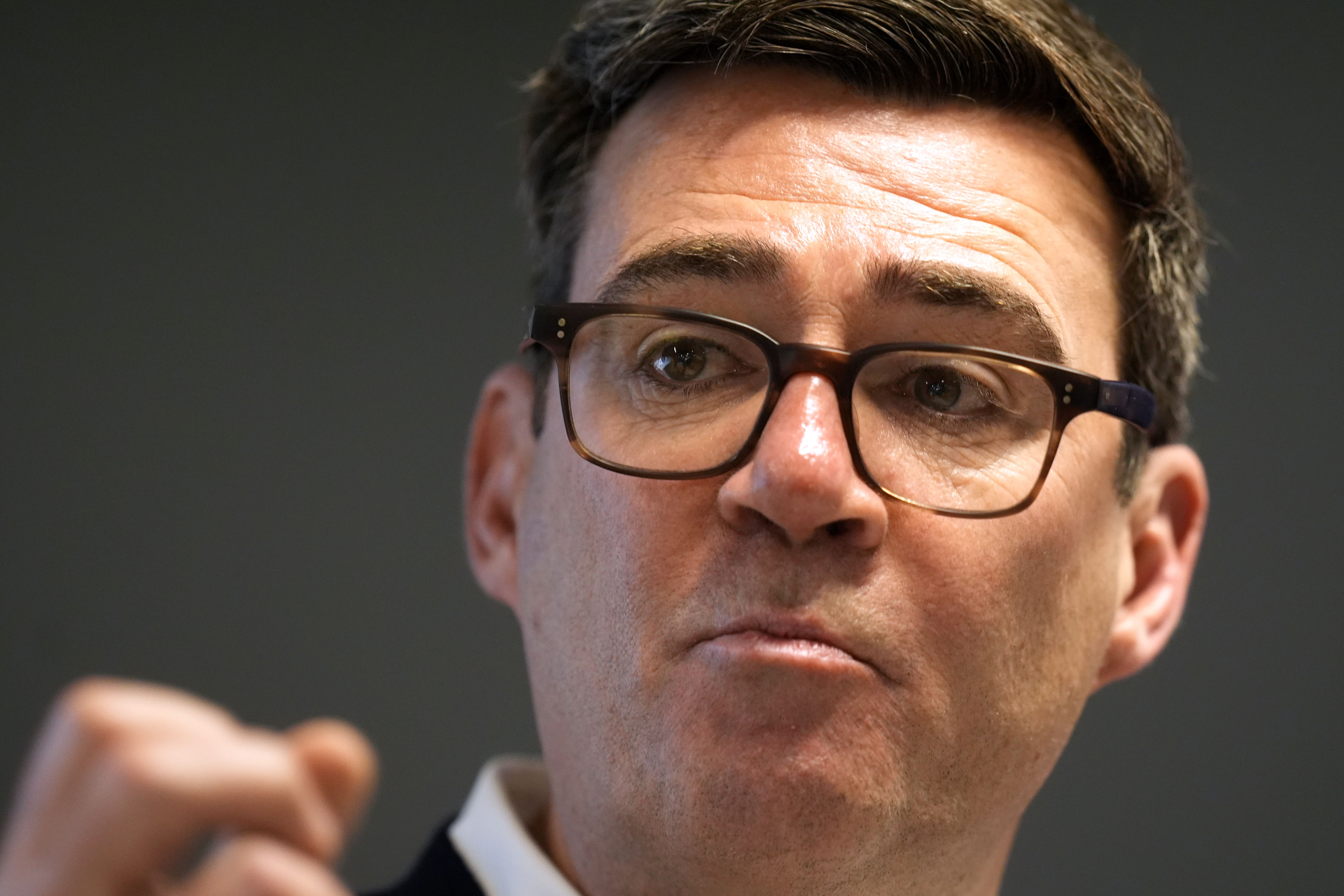
Just hours after the by-election was confirmed, Sir Keir warned his MPs to stop talking about potential leadership challenges, saying in an interview with Channel 4 News: “Every minute we waste talking about anything other than the cost of living and stability in Europe and across the globe is a wasted minute.”
Mr Burnham has not yet indicated if he intends to stand in the seat or run for Labour leader. On Thursday, he said: “People shouldn’t rush to conclusions.”
But if the mayor of Manchester does want to become Labour leader, here’s what would need to happen.
Step one: Getting selected
Should Mr Burnham actually wish to become the MP for Gorton and Denton, he would first need to be approved by the Labour Party’s governing body, the national executive committee (NEC).
While it is the constituency’s local members who vote for their candidate, the NEC oversees this process and holds the power to veto or override the selection.
And in the rare case that a sitting mayor is seeking to be a parliamentary candidate, the Labour rulebook states that they must “seek the express permission of the NEC” even before seeking nomination.
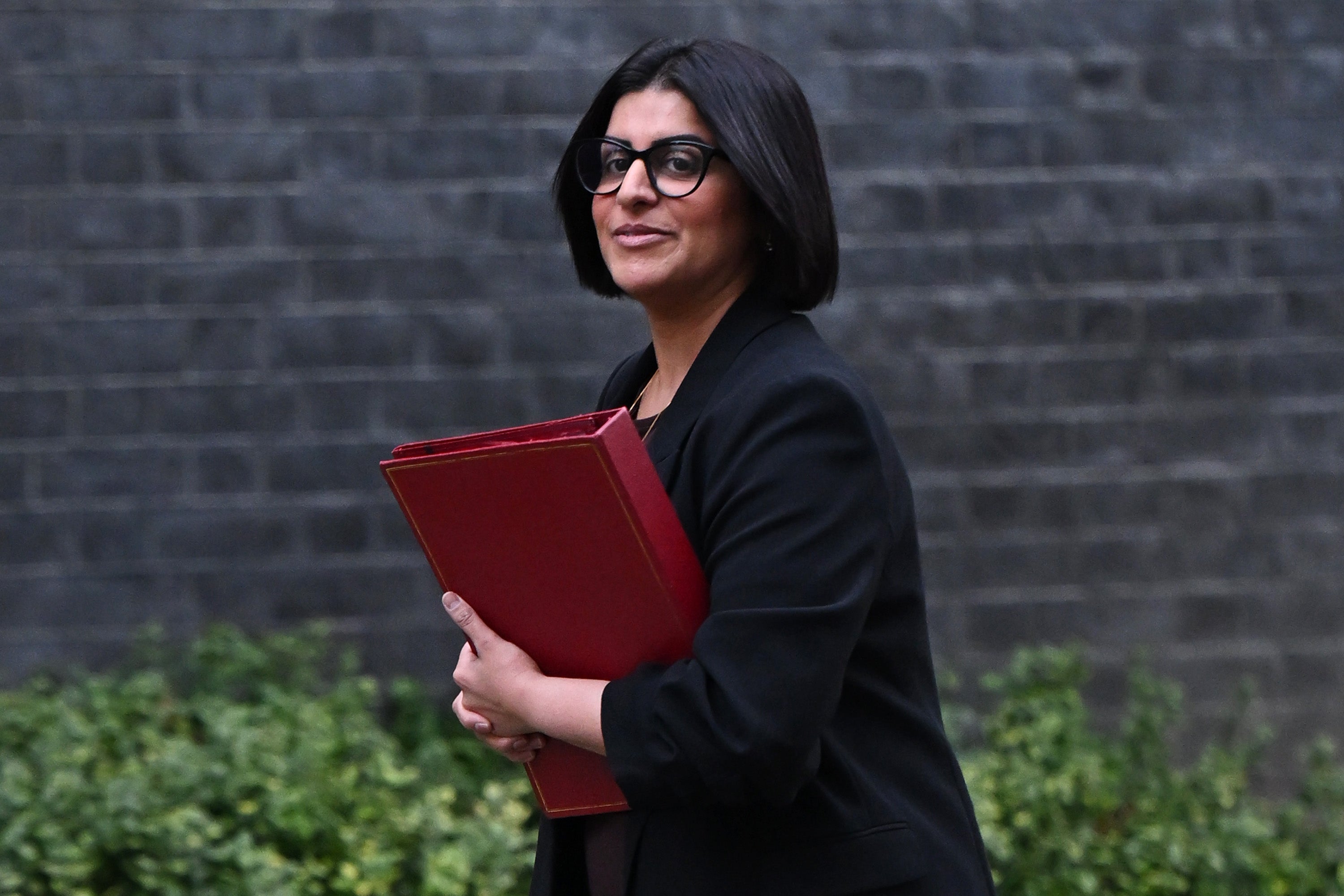
The NEC is currently chaired by home secretary Shabana Mahmood, with other MPs including Ellie Reeves, the solicitor general and sister of the chancellor, chief whip Jonathan Reynolds, and allies of Sir Keir like Luke Akehurst and Gurinder Singh Josan.
Also working against Mr Burnham is the fact that he would need to resign as Manchester’s mayor in order to run, with a re-election in the city set to cost about £2m.
In recent days, several members of this executive body have told the media that Mr Burnham’s chances of being selected are “zero”.
However, such a high-profile intervention by the NEC could be seen by the public as undemocratic and demonstrating a lack of confidence in the prime minister’s ability to see off a leadership challenge – a factor which may sway the body’s decision.
Step two: Winning the by-election
If Mr Burnham is selected to run in Gorton and Denton, he would then have the task of running an election campaign and winning the seat.
While Labour secured a comfortable victory in the constituency in 2024 with 50.8 per cent of the vote, figures suggest that the party could have more of a struggle on its hands this year.
Recent polling by More in Common finds that Reform UK has risen in popularity in the area, while the Greens eat into Labour’s base. The latest MRP puts Nigel Farage’s party on 30 per cent, Labour on 28, and Greens on 23.
However, the seat has returned a Labour MP at every election since its creation as Denton and Reddish in 1983.
Mr Burnham’s personal popularity is also high, especially in Greater Manchester, where he has been a high-profile politician in some form since 2001.
Step three: Challenging the prime minister – and winning
After overcoming these two major obstacles, Mr Burnham would find himself in the Commons again for the first time in nearly a decade with another task on his hands – manoeuvring his way to leadership.
To do this, he would first need the support of 20 per cent of Labour MPs. With the party’s massive majority, this would be at least 81 members.
It is likely Mr Burnham would be able to find the requisite support within the Commons should he want to launch a leadership bid. Several Labour MPs in recent months have privately suggested they are dissatisfied with the direction and dire polling of the party under Sir Keir.
In November, MP for Norwich South Clive Lewis publicly backed Mr Burnham for leader, going so far as to say he would give up his seat for the mayor of Manchester to run.
This would lead to the last hurdle: a leadership election. Shortlisted candidates are selected by Labour members nationwide, with the victor automatically becoming the prime minister due to the party’s parliamentary majority.
Crucially, this has never happened before. It would be a historic achievement if Mr Burnham were able to secure victory at this stage. But with his current ranking by YouGov as the UK’s most popular politician, while three-quarters now view Sir Keir unfavourably, the odds may well be in his favour.