









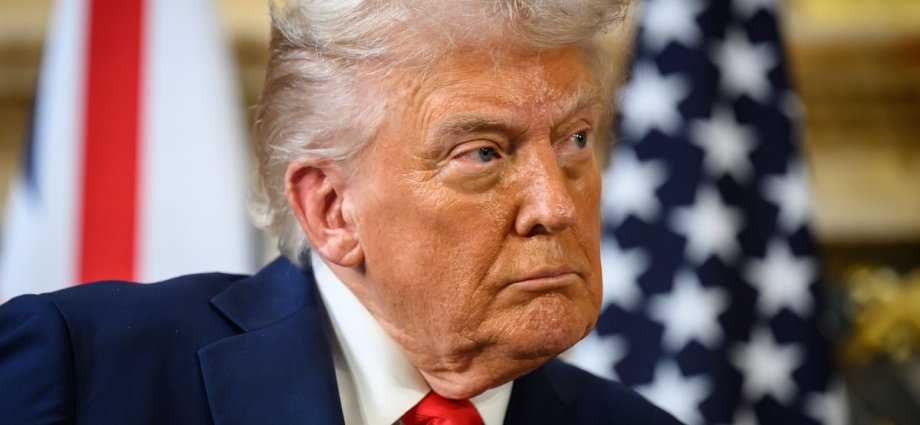
Donald Trump’s 10 per cent tariffs on the UK could have a damaging impact on Britain’s economy and potentially tip it into recession, economists believe.
The US president threatened to increase the tariff to 25 per cent from 1 June, until a deal is reached to buy Greenland from Denmark. It applies to the UK, Denmark, Norway, Sweden, France, Germany, the Netherlands and Finland.
The countries released a statement underlining their solidarity with Denmark, as EU diplomats are set to hold an emergency meeting on Sunday.
Mr Trump has long had his eye on Greenland, first proposing US control over the territory in 2019. In his renewed plan for a takeover, he said it was “time for Denmark to give back”, adding: “China and Russia want Greenland, and there is not a thing that Denmark can do about it.”
Sir Keir Starmer said the government will take this up directly with the Trump administration, after the US president warned “world peace” is at stake if the US is not permitted to control the semi-autonomous Danish territory.
“Applying tariffs on allies for pursuing the collective security of NATO allies is completely wrong,” the prime minister said in a statement. “We will of course be pursuing this directly with the US administration.”
What are the UK and EU’s exports to the US?
Cars, medicine and pharmaceutical products, and machinery are all among the exports to the US which will be slapped with tariffs. The UK also exports scientific equipment, non-ferrous metals and organic chemicals.
According to the Office for National Statistics (ONS), Americans bought £27.8bn of machinery and transport equipment, £16.7bn of cars and other road vehicles, £14.3bn of chemicals, £11.7bn of machinery and £10.8bn of pharmaceuticals in the 12 months to November.
Between July 2024 to July 2025, the US was the UK’s largest trading partner accounting for 17.8 per cent of total UK trade, according to the ONS.

How will the tariffs damage trade?
The higher prices on US goods are likely to dampen demand for the products. This will in turn affect British exporters’ trade.
“New tariffs on goods exported to the US will be more bad news for UK exporters, already struggling with the tariffs levied last year,” said William Bain, the British Chamber of Commerce’s head of trade policy.
“We know trade is one way to boost the economy and the success of transatlantic trade depends on reducing, not raising, tariffs.”
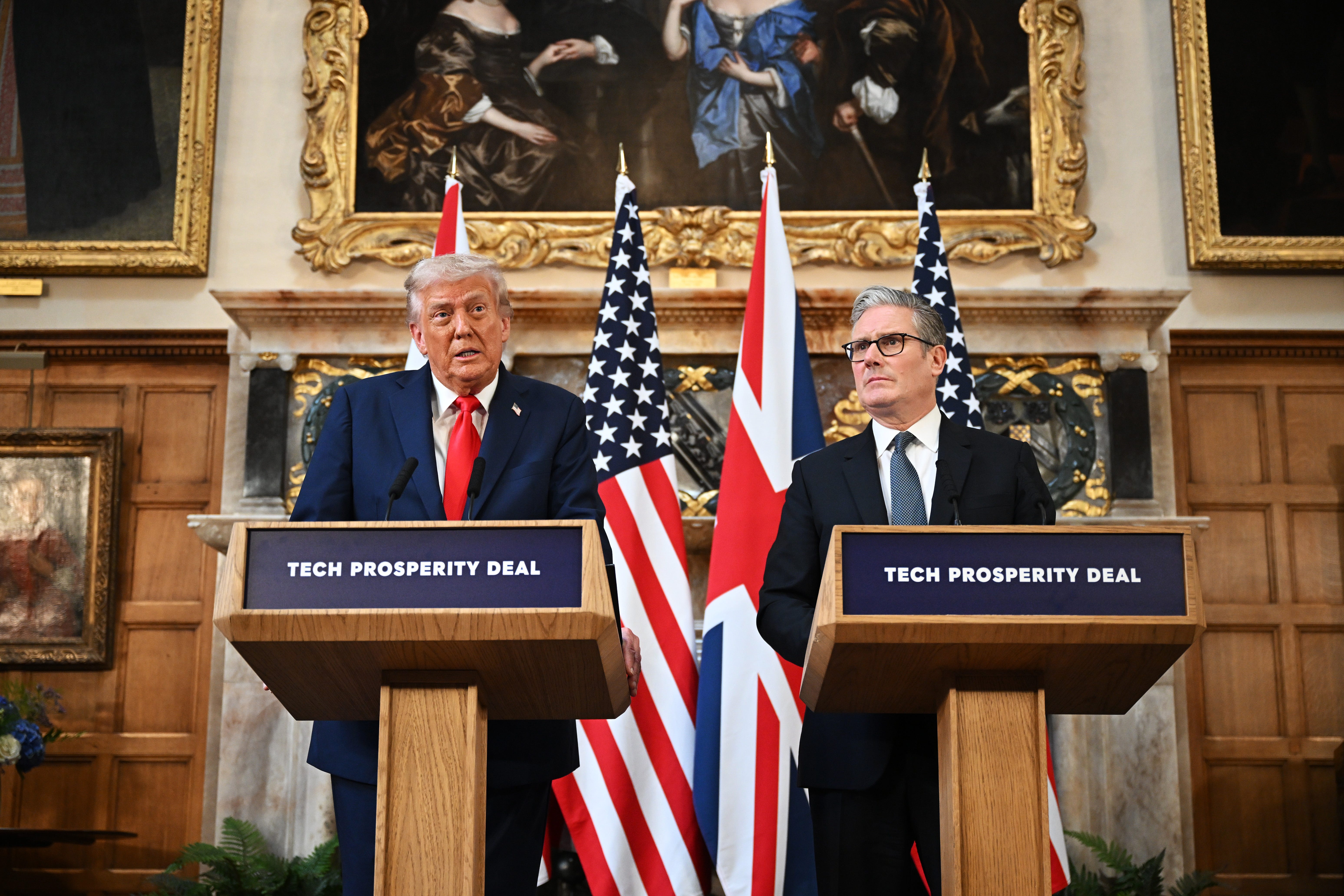
Last year, the US and UK reached an agreement which saw a 10 per cent levy being imposed on most UK goods.
Marco Forgione, the director-general of the Institute of Export and International Trade, said the impact for the UK will be “huge” and could even “tip the UK into recession”.
He told The Telegraph: “We’re going to see goods trading with the US suddenly becoming uncompetitive in the marketplace. So the impact for the UK will be huge, particularly at a time when we are struggling with very anaemic growth.”
Trump’s tariffs on other countries
Trump threatened China with a 145 per cent tariff at one stage in 2025, after the Chinese government announced plans for new export controls on rare earth metals used in a variety of technology-related products.
He then wheeled it back to 47.5 per cent, admitting it was not sustainable.
India was hit with a 50 per cent tariff, due to its appetite for Russian oil. However, the tariff was not unilaterally imposed on all products. Several exemptions were made, including for pharmaceuticals and electronics.