








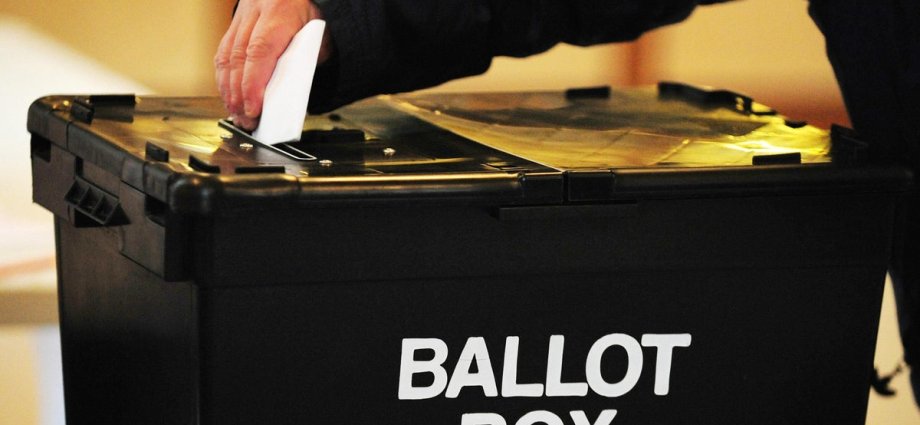
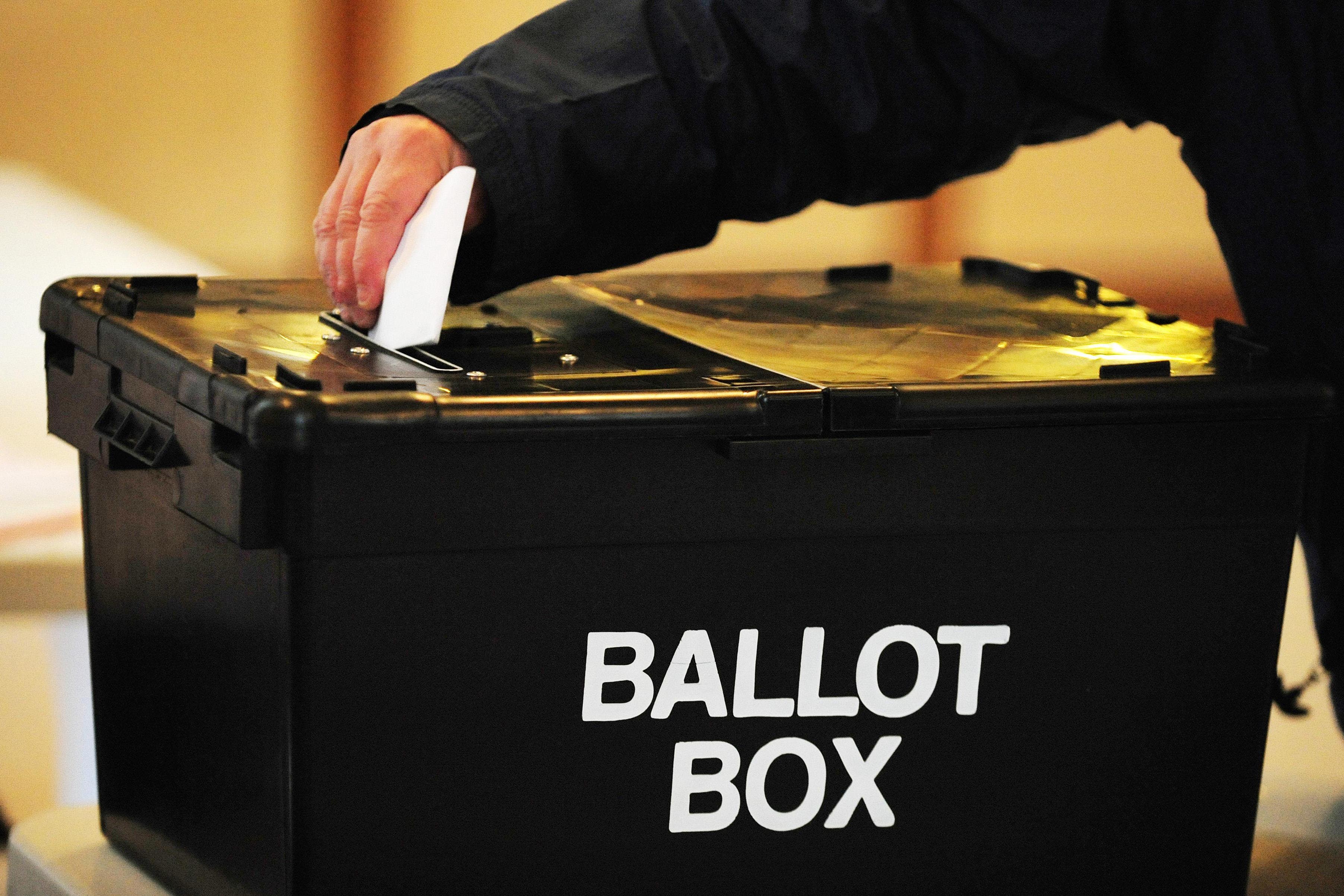
About a third of eligible councils are expected to postpone their elections in May, affecting millions of voters.
The government is carrying out an overhaul of local government structures and many merging councils lack the capacity for reorganisation.
However, plans to delay local elections have triggered claims from opposition parties that Labour is “scared of the voters”.
Why are councils delaying elections?
Labour plans to scrap two-tier authorities in an overhaul of local government structures and merge them into single unitary councils by 2028.
Last month, the government said some 63 council areas could postpone elections until 2027 after some told ministers they lacked the capacity to reorganise in time.
As a result, 28 councils want to postpone their ballots to help deliver that reorganisation – but opposition parties say Labour is “running scared” of voters. The elections would be delayed for a year until 2027, with ministers expected to approve the requests in the coming days.
Why is it controversial?
The Electoral Commission has hit out at the potential local election delays in England, saying it risks “damaging public confidence” adding that “capacity constraints are a legitimate reason for delaying long-planned elections”.
The delays have also been criticised by opposition parties, with Tory shadow local government secretary James Cleverly accusing Labour of “running scared of voters” amid devastating approval ratings.
“We are clear that these elections should go ahead. Ministers should treat voters with respect instead of disdain, stop undermining our democratic system and let the people of this country make their own decisions,” he added.
The Liberal Democrats have called for a change in the law so “ministers cannot simply delay elections at the stroke of a pen”, with party leader Sir Ed Davey saying: “Both Labour and the Conservatives are running scared of the electorate, allowing councillors to serve terms of up to seven years without a democratic mandate.”
There are also fears Labour could face a wipeout in some areas at the hands of a Reform UK surge at the local elections, meaning the possible delays have sparked outrage from Nigel Farage’s party.
Nigel Farage – who launched plans for a judicial review in an attempt to make the elections go ahead – has accused communities secretary Steve Reed of an “abuse of power”.
“We will use every means possible, starting with our judicial review”, he added.
What do the polls say?
A forecast by Electoral Calculus shows if a general election was to be held tomorrow Labour would slump to sixth place and Sir Keir Starmer would lose his St Pancras seat to the Greens.
David Lammy, the Justice Secretary, and Shabana Mahmood, the Home Secretary, were also predicted to lose their seats to the Greens and 16 members of Sir Keir’s Cabinet were projected to lose their seats to Reform UK.
Based on the numbers, if a general election were held now, Nigel Farage could enter Number 10 with a small overall majority. The Conservatives would be the official opposition, with the Liberal Democrats remaining as the third party.