









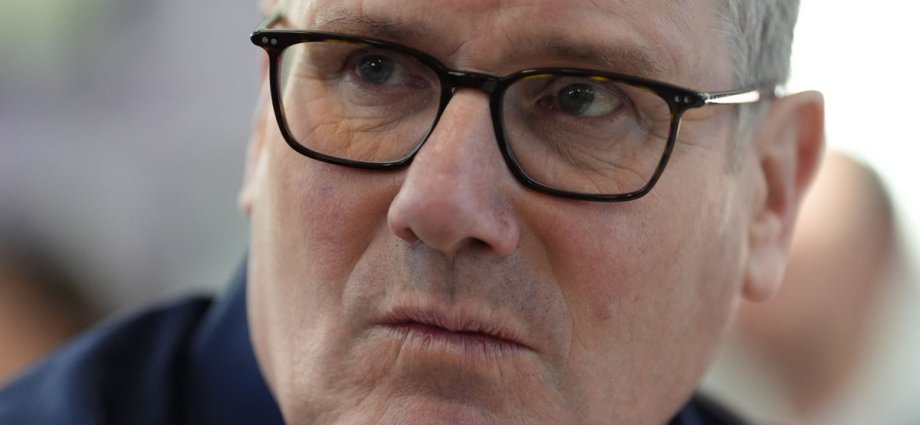
Keir Starmer’s hopes of a 2026 fightback have suffered a fresh blow as a second poll in as many days has put Labour in third place.
The More in Common poll saw support for Nigel Farage’s Reform surge by three points to 31 per cent, ahead of the Tories on 23 per cent, with Labour down two on just 19 per cent.
It followed a YouGov poll that put Labour in third place on a mere 17 per cent, only marginally ahead of the Lib Dems on 16 per cent and Greens on 15 per cent.
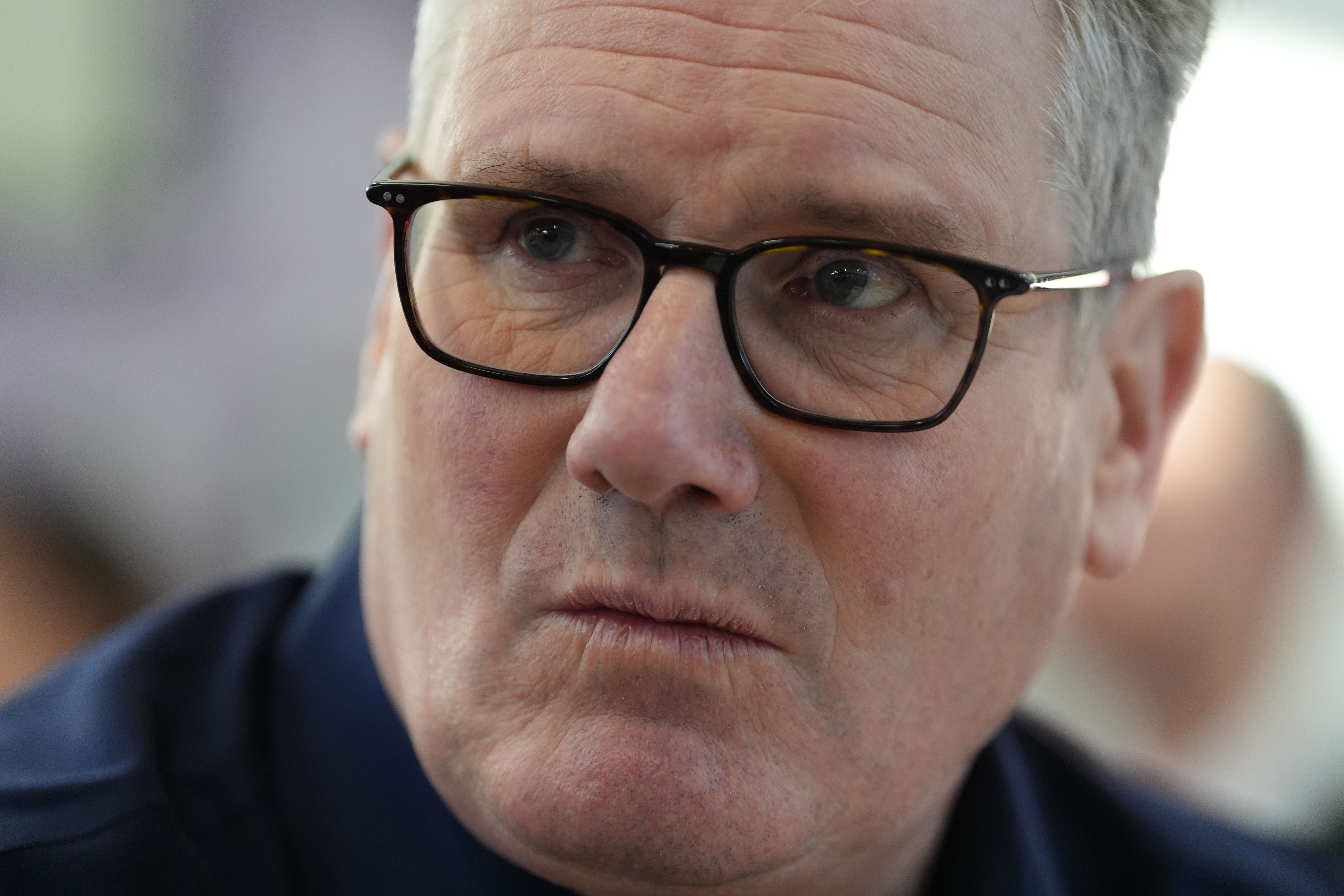
The fresh humiliation for the beleaguered prime minister comes amid continued speculation about whether he could be ousted as leader. Health secretary Wes Streeting, former deputy prime minister Angela Rayner and Greater Manchester mayor Andy Burnham all have their supporters making a case for them to replace Sir Keir.
The More in Common poll, conducted between 2 and 5 January, with 2,021 respondents, is also good news for Tory leader Kemi Badenoch, who now appears to be opening a gap over Labour in second place and inching closer to Reform.
But it comes as Sir Keir has tried to refocus his cabinet on a disciplined cost-of-living message, which helped centre-left parties in Canada, Australia and Norway turn their fortunes around.
At his first cabinet meeting of the year, he appealed for unity amid claims that Scottish Labour MPs have asked Mr Streeting to step up as leader to prevent a wipeout in the May elections, which include the Scottish Parliament.
Sir Keir told ministers that there was only a choice between “a Labour government renewing the country or a Reform movement that feeds on grievance, decline and division”.
Downing Street chief of staff Morgan McSweeney is also understood to have given a presentation on “three Es” on how the government can connect with voters – emotion, empathy and evidence.
It is understood that he said the Labour government currently has a “deficit in emotion” in what some saw as a criticism of the prime minister’s technocratic style.
Labour MPs are privately insisting that they will wait to see what happens in the elections in May, where the Scottish and Welsh parliaments are being voted on, as well as London borough councils.
However, heavy defeats could see them push for a new leader in the second half of the year if there is little prospect of a recovery.