









he article below is an excerpt from the Well Enough newsletter by Emilie Lavinia. To get my latest thoughts on wellbeing, mental health and the things that help us feel a little more human, pop your email address into the box above.
Each edition dives into a topic that’s been on my mind that week – from the science behind our emotions to the small habits that genuinely make life feel lighter. You’ll also find practical tips and tricks from experts I’ve interviewed on living a happier and healthier life.
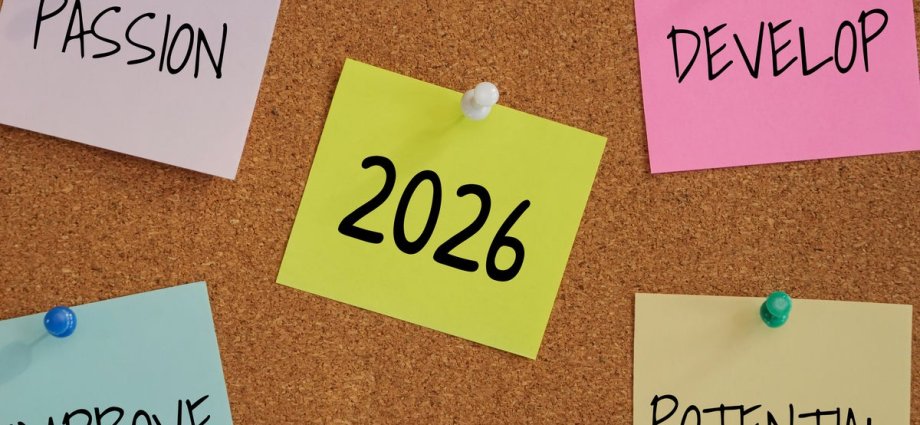
Contrary to what you might have been taught, January is not actually the best time to make resolutions. Our calendar year was once dictated by nature’s rhythms, and this meant that spring – a time of awakening and energy – used to mark the start of the year. These days, we don’t tend to plan our lives around equinoxes, but our internal rhythms still respond to the way we used to live.
In the wellness and biohacking world, many researchers are seeking ways of supporting these evolutionary hangovers and making modern life a little easier on our brains and bodies. If your algorithm is anything like mine, you might have observed a shift this year, as more and more experts recommend not making huge resolutions and instead doing what feels natural and personal to you.
This is advice I can get behind. I’ve embraced a soft landing into 2026 and kept my foot on the brake. I’ve attempted to prioritise things that feel good over extreme challenges, and I’ve unfollowed or muted social media accounts that have suggested I take on a new workout plan or diet. I’m bringing my whole self into the new year, not just the pieces that seem optimisable.
Alexa Knight, Director of Policy and Influence at the Mental Health Foundation and an expert on all things “new year, new me,” explains that: “Resolutions can be helpful if they’re realistic and rooted in self-care.”
“The start of a new year can feel like a natural time to reflect, but there’s no rule that says changes have to happen in January. Positive steps for your wellbeing can be made at any time of year, and small, achievable goals often work best.”
Alexa is right. It’s incremental changes that make the most difference – something I’ve discussed many times in this email.
“If you do set resolutions,” says Alexa, “try not to be hard on yourself if things don’t go perfectly. Slipping up is normal and doesn’t mean you’ve failed. It’s more important to keep going when you can, rather than giving up altogether. Looking after your mental health should always be part of the picture, and that means being kind to yourself as well as setting goals that make you feel good.”
My best advice for starting the new year well is this: don’t fall for the self-optimisation hype. Make reasonable resolutions that are manageable for you and set them according to milestones throughout the year, so you don’t feel you have to change into a brand-new person overnight.
Keep track of small changes and your goals with a journal, and make your home, workspace, or the place where you relax, read, exercise, or meditate somewhere you actually want to visit. Making your space an attractive sanctuary will encourage you to spend more time there and do the things you’ve promised yourself you’ll do more of for your wellbeing.
I’ve also rounded up a few of my favourite tips and takeaways from 2025 to help you through the start of the year. These sensible and sustainable snippets of advice from experts will hopefully give you some perspective on how to set achievable goals while still loving and respecting the whole version of yourself that you are.
Alice Porter charted how embracing variety and playfulness over gruelling consistency changed her relationship with exercise for the better.
Harry Bullmore shared the concept of exercise snacking – a brilliant way to approach movement if you’re feeling slow and cosy in January.
Shakira Akabusi encouraged finding something you love doing and offered some brilliant advice on reframing your relationship with movement and strength in this episode of the Well Enough podcast.
These Pilates moves for beginners are a great way to get into the practice. Pilates might seem intimidating, but it essentially starts with very small exercises on a mat, and pretty much everyone can do these.
Rhiane Kirkby tried the workout said to be best suited to midlife women and loved it – coincidentally, it’s also Jennifer Aniston’s favourite workout.
Niki Cottrell discovered joyful movement with a hiking club and enjoyed a new way to socialise, with a host of additional benefits.
Speaking of social wellness clubs, I wrote all about my predictions for the big wellness trends of 2026 with the help of experts – from community spaces to analogue activities, AI diagnostics, and biological age as the newest social flex.
However you’re choosing to welcome in the new year, let this time be one for gentleness, reflection, and realistic goals that will help you feel more healthy, whole, and human. As I always say, you’re well enough as you are.
How to sign up

To receive Well Enough by Emilie Lavinia, simply enter your email address in the box at the top of this page.
You can also head to our newsletter preference centre to sign up for the email.
Once there, all you need to do is press the ‘+’ button and enter your email address to sign up.
Listen to the Well Enough podcast
While you wait for the next edition of the Well Enough newsletter, why not listen to the latest episode of my Well Enough podcast?
Each episode tackles a new subject with the help of household names and leaders in their fields, dispelling the nonsense you might have read on TikTok and giving you peace of mind.
Watch the latest episode on YouTube, listen above, or follow Well Enough wherever you get your podcasts.