










The National Trust for Scotland (NTS) has hailed the discovery of seven rare species across its sites in 2025 as a “powerful sign” that its conservation efforts are yielding significant results.
Among the “remarkable” finds are corncrake chicks, various lichen, a rare fungus, and an unusual beetle, many of which are unique to Scotland, the UK, or even globally.
The charity emphasised that these discoveries underscore the critical importance of protecting natural habitats, serving as a stark reminder of the ongoing pressures faced by delicate ecosystems due to climate change and habitat loss.
Notably, corncrake chicks were found on the Treshnish Isles, an area acquired by the trust in 2023.
At that time, the distinct rasping call of corncrakes could occasionally be heard, however there was no evidence to confirm they were breeding there.
Unmistakable black fluffy corncrake chicks were spotted, confirming suspicions that the endangered species is successfully breeding on the Hebridean archipelago.
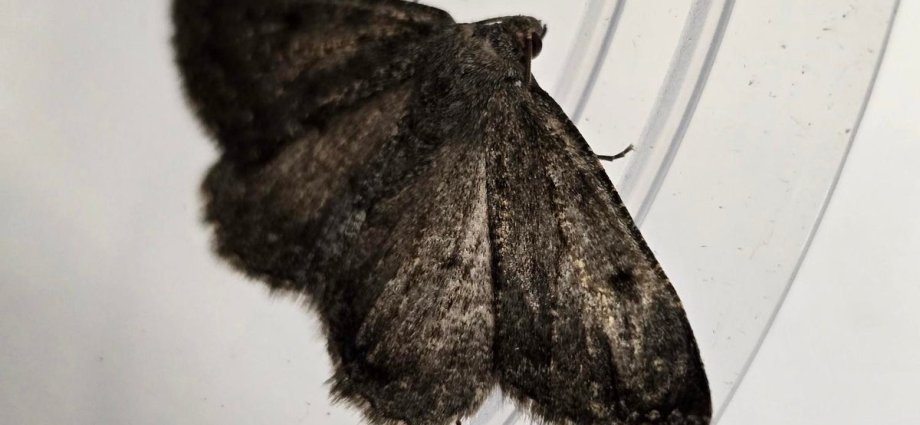
Other species found last year include a Scotch annulet moth on the Isle of Canna, which was the first record of this “scarce and modest upland moth” on the island since 1979.
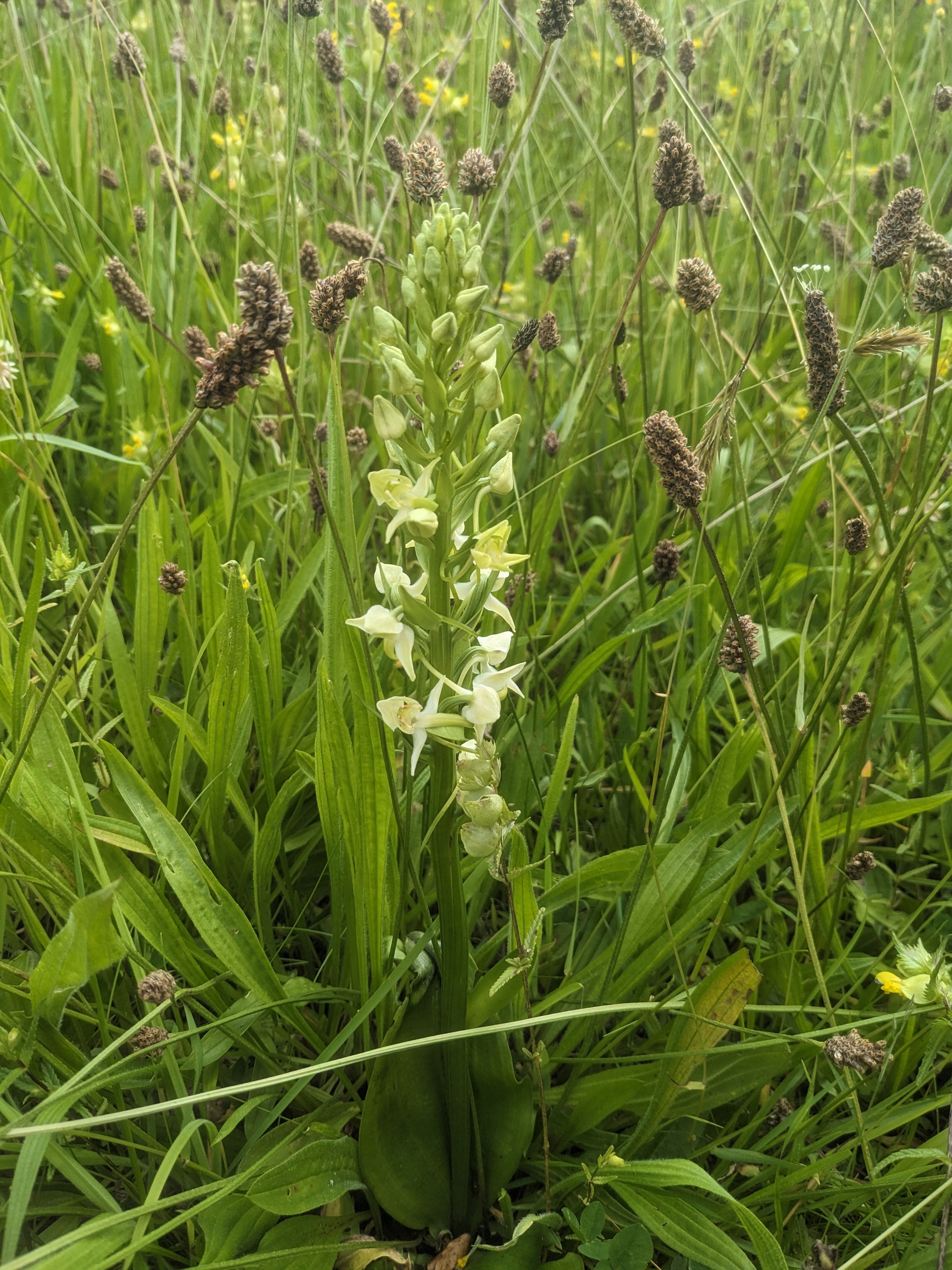
Elsewhere a rare rove beetle, a species found under stones in montane habitat on slopes, ridges and summits, was spotted at Ben Lawers National Nature Reserve, while a greater butterfly-orchid was found at Bannockburn and nine lesser butterfly-orchids at Torridon.
Jeff Waddell, head of nature conservation for NTS, said: “As custodians of some of Scotland’s most important natural places, we have a unique responsibility to look after the nature in our care, and we remain committed to restoring and protecting habitats where species can not only survive but thrive.
“These discoveries also remind us of the importance of safeguarding nature.
“Many of these species exist on the edge of their range or survive only in isolated pockets, and their presence in Scotland is a powerful signal that our conservation efforts are making a real difference.
“But it is also a reminder of the pressures facing these delicate ecosystems from climate change to habitat loss and the need for continued vigilance and support.
“By restoring uplands, woodlands and grasslands and by monitoring these landscapes carefully, we’re helping ensure that these remarkable species and their habitats endure for generations to come.”
Other species found in 2025 included Cortinarius eucaeruleus at Killiecrankie in Perth and Kinross.
A rare fungus on the IUCN Red List of Threatened Species, it was discovered by NTS seasonal ranger Angus Todd and was verified by mycologist Liz Holden.
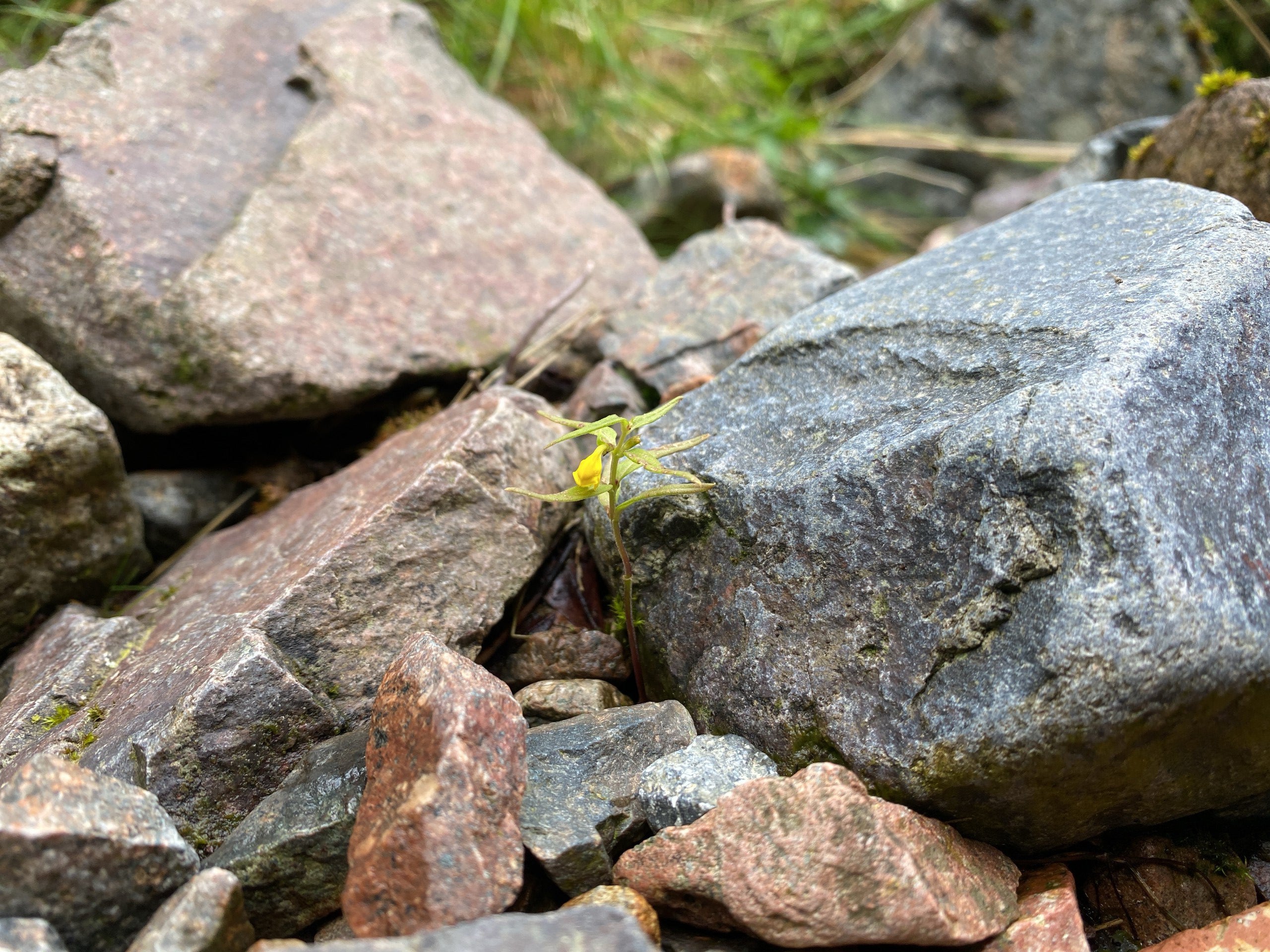
Elsewhere a thriving population of small cow-wheat was recorded for the first time at Glencoe National Nature Reserve, while the rare lichen Thelocarpon actonii was also discovered at the nature reserve by lichenologist Andy Acton.
Mr Waddell said: “These discoveries are more than scientific records; they are reminders of what makes Scotland’s landscapes so extraordinary.
“From a rare fungus sprouting in ancient woodland to orchids thriving in restored grasslands, each find tells a story about the resilience of nature and the value of long-term conservation.
“As custodians of some of Scotland’s most important natural places, we have a unique responsibility to look after the nature in our care, and we remain committed to restoring and protecting habitats where species can not only survive but thrive.”
Established in 1931, NTS cares for more than 100 sites, including islands, coastlines, gardens, mountain ranges, castles and battlefields.