








Britain is missing out on up to £100m for every week that a landmark deal with the European Union is not in place, according to new research that has prompted calls for Sir Keir Starmer to urgently break the Brexit economic “doom loop”.
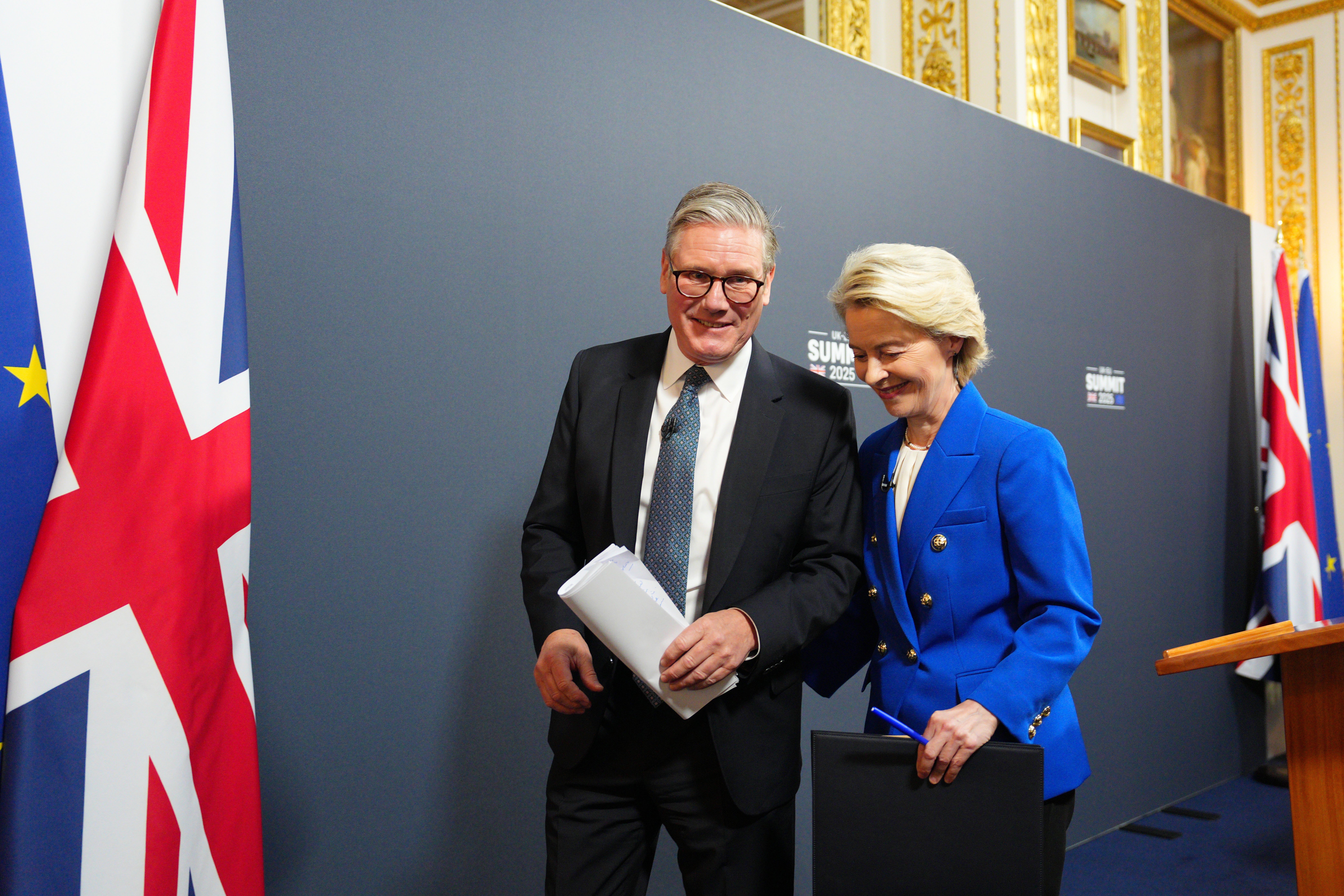
Months after the prime minister hailed his great “reset” with the EU, announced with huge fanfare alongside European Commission chief Ursula von der Leyen, a key strand on food and drink exports has yet to be finalised.
The sanitary and phytosanitary (SPS) agreement would align Britain’s standards with those of the EU, removing the need for most certificates and checks on animals and plants being transported between the UK and the bloc.
The deal, predicted to slash hugely expensive red tape and vastly increase the volume of imports and exports to and from the EU, is worth up to £14m a day to the UK economy, according to new research carried out by the House of Commons Library. This has led to calls for ministers to speed up the process.
But the government has hit back at opposition politicians, denouncing it as a “shame” that they are not supporting Labour’s progress in securing closer ties with the bloc.
The new analysis looked at the planned UK-EU food and drink deal and concluded that it could be worth up to £14m per day once the British “economy has fully adjusted to the new system”.
That figure may vary, and go up or down across the year, with “variations depending on things like whether it is a weekend, a bank holiday, a busier time of year and so on”, it said.
Al Pinkerton, the Liberal Democrats’ Europe spokesperson, who commissioned the analysis, said: “The government went to great lengths to show off their shiny new plans to agree an SPS deal with the EU in May. Six months later, there’s nothing to show for it, and the British public are millions of pounds worse off a day because of their inaction.”
He added: “Ministers must stop dithering, grip this economic crisis and deliver the SPS deal they’ve promised – finally cutting the reams of red tape holding British business back.”
But a government spokesperson hit back, saying: “We secured a landmark deal with the EU in May, resetting our relationship to deliver for the public.” They added: “It’s a shame the Lib Dems aren’t backing this progress or supporting the government as negotiations continue.”
Government insiders said talks on the deal started once the EU had agreed a negotiating mandate between its 27 member states. The agreement would support British jobs and businesses and bring down prices, they said.
Brexit cost UK business £37bn in the 12 months to last September, it emerged earlier this year. This led ministers to pledge to “tear down” the trade barriers between Britain and the EU. The figures also showed that total trade with the EU was 5 per cent lower than before Britain left the bloc.
An estimated 16,400 businesses – some 14 per cent of UK exporters – stopped exporting to the EU as a result of Brexit trade rules, according to one study by the Centre for Economic Performance at the LSE, while others have never started.
This is likely to be in part because of the increased complexity of new export regulations. The supermarket giant Marks &Spencer has said that it has had to rent a warehouse just to store the paperwork.
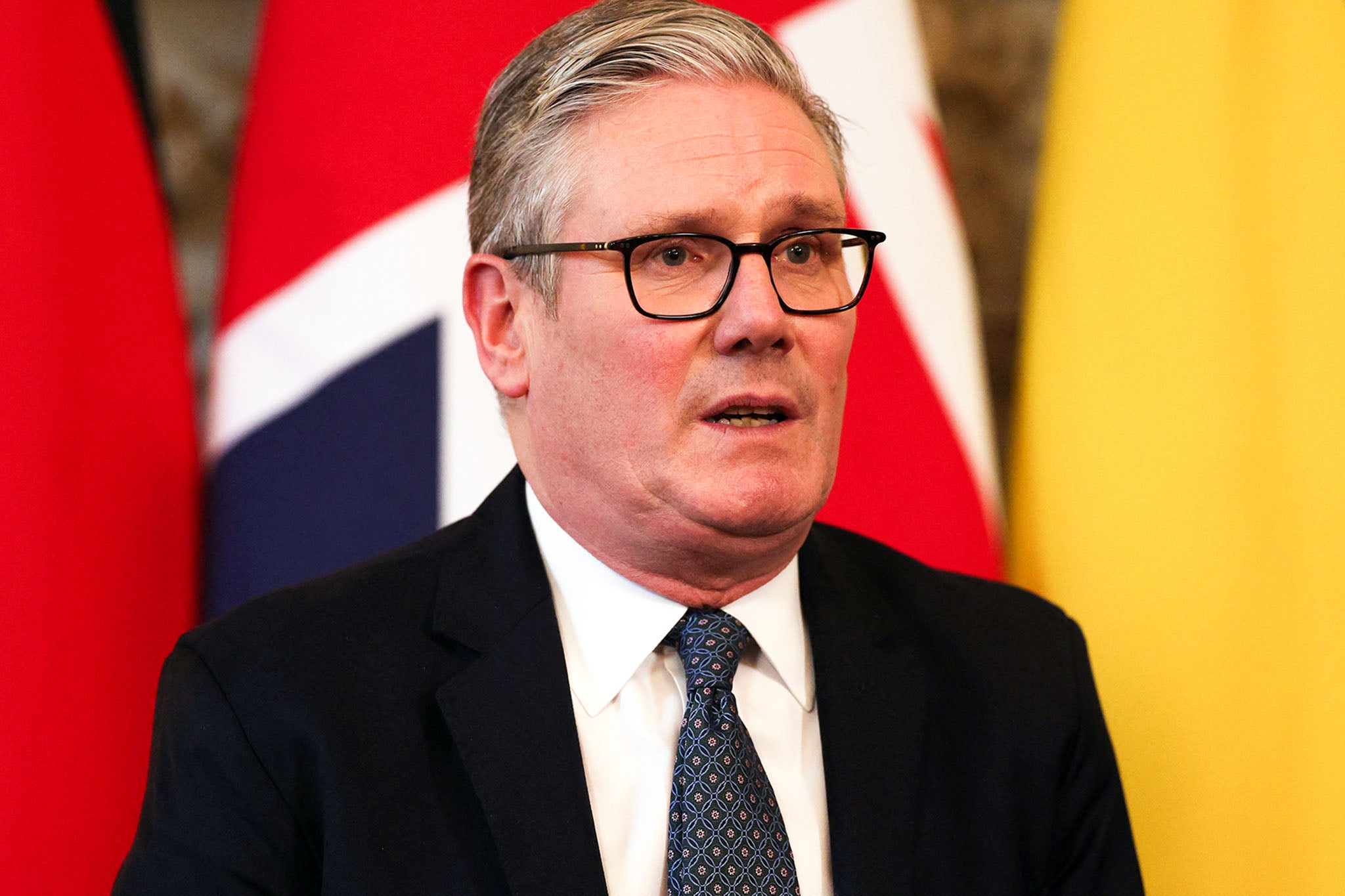
Negotiations between the UK and the EU on the SPS deal began in late November. Ministers believe the agreement with the UK’s largest agri-food trading partner could increase the volume of UK exports of major agricultural commodities to the EU by 16 per cent, and increase imports from the EU by 8 per cent.
Overall, cuts to red tape and other costs could deliver savings to business worth up to £1m a month, the government estimates. At the moment, businesses are required to obtain expensive certificates and checks, including export health certificates to bring food across the border – which costs up to £200 for every consignment.
Naomi Smith, the chief executive of pro-EU campaign group Best for Britain, which has been calling for an SPS deal since May 2023, said the economic impact of Brexit is affecting people “every single day”.
“The cost of living, sluggish economic growth and poor productivity in the UK are all compounded by our feeble trading relationship with the EU, and it’s high time negotiators on both sides work faster to break this doom loop,” she added.