








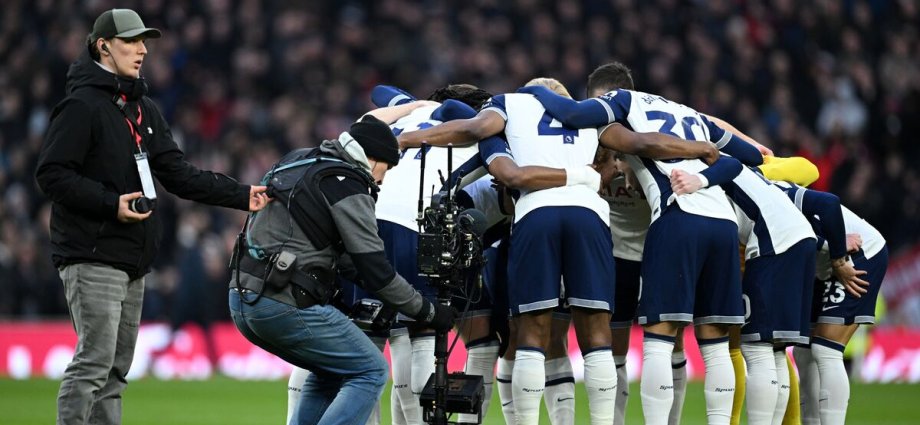
The Premier League and EFL are reportedly planning a meeting in early 2026 to discuss the possibility of allowing 3pm kick-offs on Saturdays, according to a report by the Guardian. England remains the only European country that still enforces a blackout, but both governing bodies are eager to sell more games to other broadcasters.
Despite several years remaining on the current rights cycle for both the Premier League and EFL, they are keen to reach an agreement before the next tender. The EFL is set to broadcast 1,059 games on domestic TV, primarily on Sky Sports, this season, while the Premier League will be showing a record 270 matches.
This number has increased for the latter this campaign with all 2pm kick-offs on Sunday, often featuring teams participating in the Europa League, now available for viewing. However, it has been determined that the only way to generate more revenue is by selling every game.
The EFL plans to go to market in just over 12 months, even though their current contract does not expire until the summer of 2029. It is expected that the Premier League auction will follow later in the year. Sky Sports currently holds exclusive rights to the EFL, which allows them to broadcast an impressive 1,059 games across the Championship, League One, League Two, as well as the Carabao Cup and EFL Trophy.
That figure could surge towards 2,000 should an agreement be struck to lift the blackout restriction. The Premier League, meanwhile, faces declining media rights values and is keen to explore selling broadcast rights for all their fixtures. This comes despite securing a record-breaking £6.7bn deal over four years with Sky Sports and TNT Sports.
An additional year was tacked onto that partnership, which boosted the number of matches shown but consequently reduced the value compared to the previous 2022-2025 cycle. The blackout stems from Article 48 of Uefa’s statutes, which permits the prohibition of live football broadcasts in a territory for “two and a half hours on a Saturday or a Sunday”.
This regulation comes into effect when 50 per cent of Premier League and Championship matches are scheduled for Saturday at 3pm. The FA also have a part to play in this issue and are unlikely to oppose the implementation of Article 48, having previously attempted to exempt the Women’s Super League from the blackout. However, this was blocked by the Premier League and EFL on legal grounds.
There are numerous other considerations when it comes to lifting the blackout, with attendances likely to be affected by more games being available on television. Compensation demands could also emerge from leagues in Wales, Scotland and Northern Ireland, as the blackout is enforced in all these regions.