










Labour’s flagship workers’ rights reforms are set to become law after peers called a halt to their extended stand-off over the controversial plans.
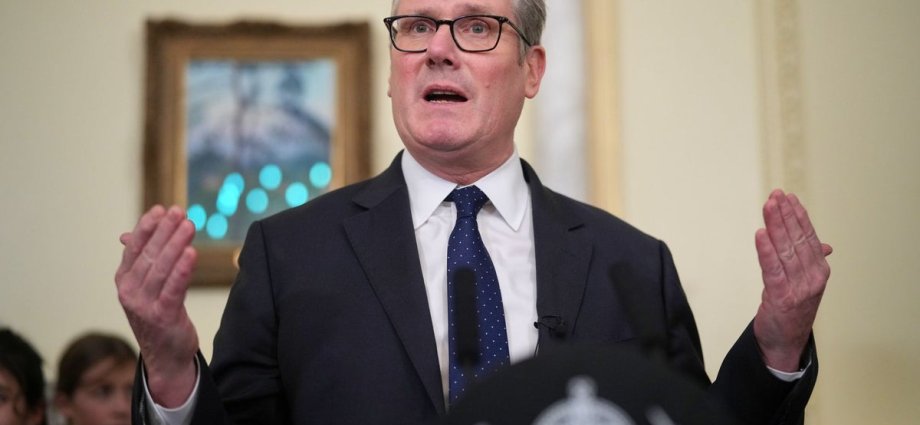
The climbdown by opponents in the Lords is a much needed victory for Sir Keir Starmer who took to X (formerly Twitter) to celebrate.
He posted: “We did it. We have just introduced the biggest upgrade to workers’ rights in a generation. Today our plans passed through parliament, and will soon become law. This is a major victory for working people in every part of the country.
“It means that Labour’s election pledge to restore trade union rights to pursue industrial action as well as giving employees day one sick leave and maternity rights will become law.”
The victory for Sir Keir’s government though is overshadowed by warnings from businesses that it will lead to a further decrease in employment and prevent growth.

Already many businesses are struggling with the hike in employers’ national insurance contributions, with figures showing unemployment has risen beyond 5 per cent.
But trade unions have hailed the legislation, originally championed by former deputy prime minister Angela Rayner, despite last-minute compromises to get it through the Lords.
TUC general secretary Paul Nowak said: “This is an historic day and early Christmas present for working people across the country, and the trade unions who represent them.
“Banning exploitative zero-hours contracts, sick pay for all, expanding parental and bereavement leave, strengthening protections for pregnant women, whistleblowers and victims of sexual harassment, repealing Tory anti-union laws, ensuring union access to workplaces, establishing a social care fair pay agreement – these are just some of the watershed measures this bill will now deliver.”
Ms Rayner posted on X: “Proud that the Employment Rights Bill has now passed the Commons and the Lords. The biggest boost to rights at work in a generation. A historic achievement for this Labour government.”
The end of the deadlock followed a prolonged parliamentary tussle over the Employment Rights Bill known as “ping-pong”, when legislation is batted between the Commons and Lords until agreement is reached.
The climbdown by the upper chamber followed assurances by the government over scrapping the compensation cap on unfair dismissal and calls by business groups to cease the stalemate, despite their outstanding concerns over the package of measures, which include a ban on zero-hour contracts and day-one rights to statutory sick pay.

Welcoming the bill’s progress, business secretary Peter Kyle said: “This landmark legislation, now soon to be in law, will drag Britain’s outdated employment laws into the 21st century and offer dignity and respect to millions more in the workplace.”
But his Tory counterpart Andrew Griffith said despite changes being secured it remained “a bad bill”.
He said: “It will pile costs onto small businesses, freeze hiring, and ultimately leave young people and jobseekers paying the price for Labour’s capitulation to their union paymasters.”
The government had suffered a series of defeats during the bill’s rocky passage through the Lords.

With the clock ticking down to the Christmas recess, in a bid to end the impasse the government ditched its election pledge to give employees day-one protection against unfair dismissal and instead accepted a six-month qualifying period for the workplace safeguard, demanded by peers.
But as part of the compromise, it introduced at the 11th hour a measure to scrap the compensation limits for unfair dismissal, which are currently the lower of 52 weeks’ pay or £118,223, sparking a fresh row.
Unite general secretary Sharon Graham said: “Finally the Employment Rights Bill has been passed. It now must be implemented without any further dilution or delay.
“Labour needs now to stop being embarrassed by these new laws for workers. The bill had already been watered down far too much, not least the failure to ban fire and rehire and zero-hour contracts. This will come as a surprise to workers.
“The UK has the weakest employment rights in Europe, and the new act will barely reset the playing field. Ministers must enact the ERB’s measures in their entirety without any further interruptions.”