










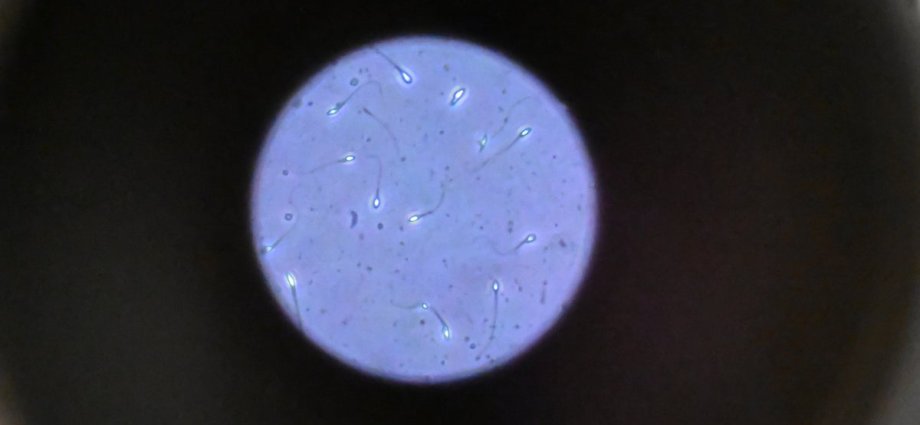
Chinese researchers have developed a lotion to boost sperm motility, an advance that could help tackle the global male fertility crisis.
Male fertility has been declining across the world over the last five decades, with men experiencing abnormal morphology of sperm as well as reduced count and mobility of sperm cells.
A study published last year warned that the sperm count among men in North America, Europe and Australia has declined “alarmingly” post 2000, partly due to lifestyle choices and chemicals in the environment.
While overt signs of infertility like erectile dysfunction can be easily recognised, other issues like a decline in sperm quality may develop before any noticeable symptoms appear.
The most widely recommended therapies for improving sperm quality include lifestyle changes like cessation of smoking along with more invasive options like surgical correction or hormonal treatments.
Now scientists from the Institute of Reproduction and Development at Fudan University have developed an easy-to-apply balm to boost sperm quality.
They have already tested the lotion, applied externally to testicles, on animals. “Highly effective targeted biological agents for this condition are warranted,” scientists said in a new study published in The Innovation journal.
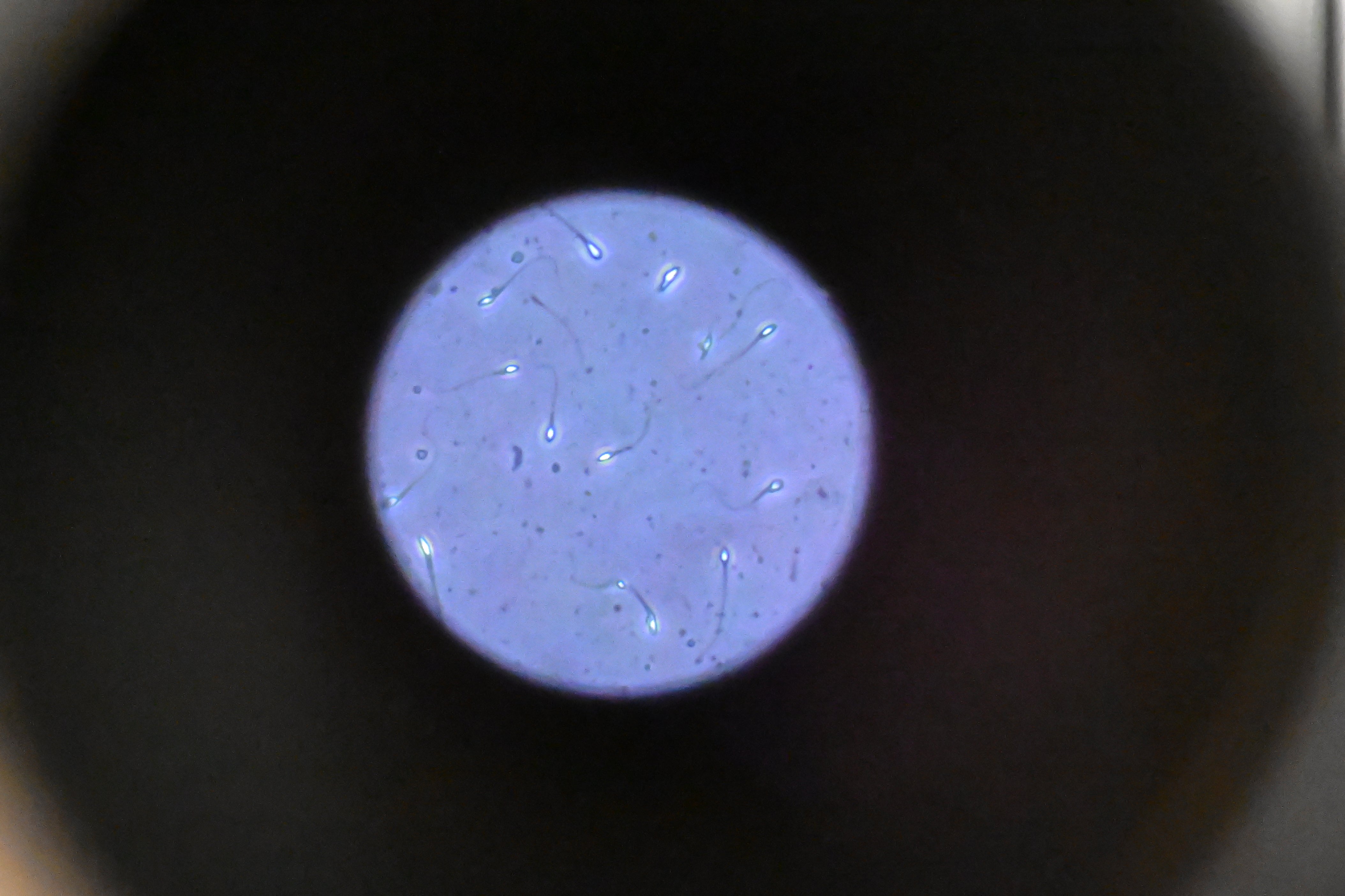
Researchers exposed male mice to factors known to decrease sperm motility, like heat stress, the non-stick plastic coating PTFE (polytetrafluoroethylene) and lead.
After confirming a decline in their sperm quality, they applied a hydrogel made of SKAP2, a protein known for maintaining normal sperm structure and movement, to the skin over the rodent testicles.
Scientists say the gel is made using safe, jelly-like particles derived from milk that carry the SKAP2 protein into cells through the skin. Researchers developed the gel to ensure the SKAP2 protein was directly delivered to where it was needed to repair or improve sperm quality.
After applying the gel for a month, researchers found the rodent sperm showed big improvements in movement, often returning towards normal levels.
“As an innovative intervention for male reproductive health, this hydrogel application holds significant potential,” they wrote in the study.
The lotion marks “the first targeted repair strategy” for reduced sperm motility, they added.
Scientists also tested the gel on semen from men diagnosed with low sperm motility.
After culturing with the gel, their semen samples showed significantly better sperm movement and vitality.
“The study results of this agent are of great value in clinical guidance, including offering precise targeted treatment options,” scientists said.
“By restoring sperm motility and morphology, it may further enhance success rates for both natural conception and assisted reproduction.”