









Wes Streeting has expressed his “genuine fears” for the NHS if next week’s resident doctors’ strike goes ahead, warning that he could not guarantee the safety of patients during a severe rise in flu cases.
The health secretary claimed flu is causing “probably the worst pressure the NHS has faced since Covid”, with the collapse of the health service at “one minute to midnight”.
Mr Streeting warned the numbers could triple by the peak and described the scenes in hospital as “inexcusable”, stressing that the strike action could be the “Jenga piece that collapses the tower”.
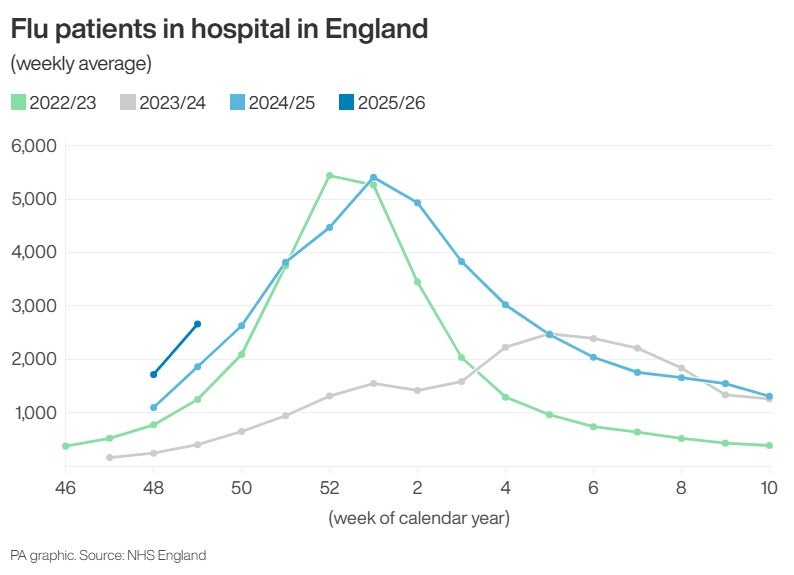
Despite new figures showing flu cases at a record level for this time of year after jumping 55 per cent in a week, the chair of the British Medical Association has denied that patients will be put at risk as a result of next week’s walkouts.
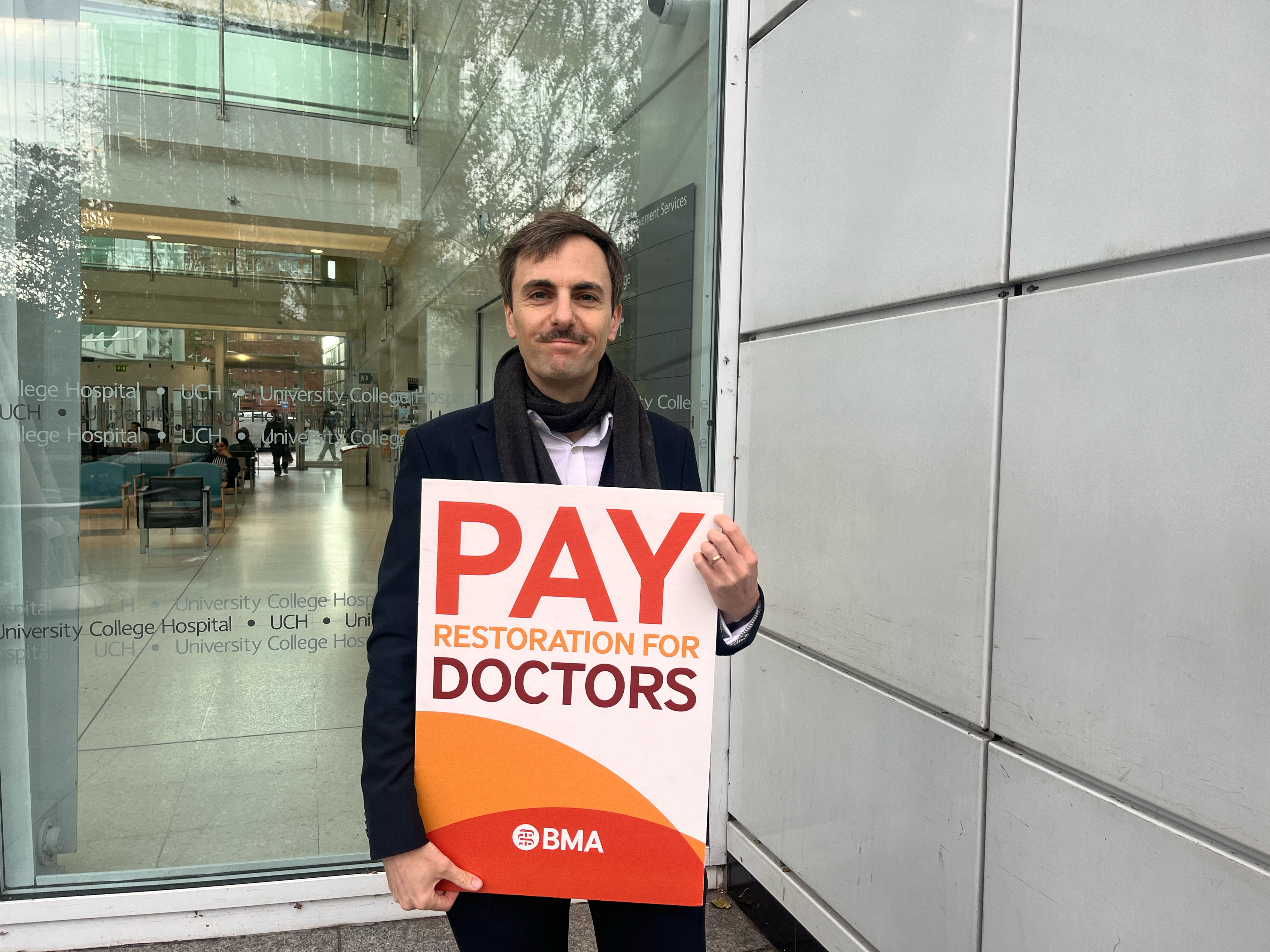
BMA chief Dr Tom Dolphin told The Independent the NHS is facing a “year-round” crisis that is not isolated to the winter, insisting that senior doctors would be able to be drafted in to cover for the absent resident doctors to keep patients safe.
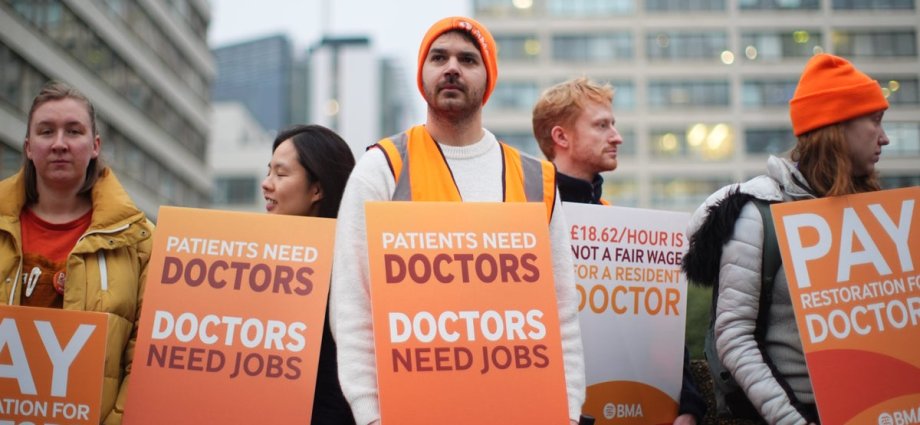
The strike is expected to take place from 7am on 17 December until 22 December, after the union accused the government of failing to make “sufficient progress towards a viable deal on jobs and pay”.
But as flu cases surge in England, with an average of 2,660 flu patients in hospital each day last week, there are growing concerns over the health service’s ability to cope with the walkouts.
Taking aim at the BMA, Mr Streeting criticised the trade union for choosing to strike in December as “they know that this week will be most painful for the NHS”.
Describing the situation as “pretty terrifying”, he told LBC: “So if you’ve got strikes and you’ve got flu and you’ve got all of these trolleys on corridors, and you’ve got demand going up rather than down, I just don’t think there is a lever I can pull, I don’t think there’s an amount of money I can throw, that means I can sit on your programme and guarantee patient safety over the next week.”
Downing Street has called on the union to reverse its “astounding” plans to strike and inflict “pain” on patients, adding: “Let’s be clear about what this decision means: their NHS colleagues will have to cancel Christmas plans to cover shifts, patients will have operations cancelled, and the NHS will be preparing for the worst in the middle of an unprecedented flu season.”
Daniel Elkeles, chief executive of NHS Providers, warned that the “tidal wave of flu” facing the NHS means the health service needs “all-hands on deck to look after a huge number of patients”.
Meanwhile, Dr Jeanette Dickson, chair of the Academy of Medical Royal Colleges (AOMRC) said she is “concerned about the impact on patients of a further five days of industrial action at this critical time of year”, with the organisation pointing out that there are “10 times more patients in hospital beds with flu than there were at the same time two years ago”.
But Dr Dolphin said: “So the NHS is already struggling all the time … We are strained, and that’s been going on since the summer. So it’s not just a winter crisis, it’s genuinely year-round.”
Addressing the winter flu crisis, he said: “On strike days, the hospitals arrange for senior doctors to cover for the absent resident doctors.
“Sometimes they’ll get people to come do that as extra shifts in their own time and sometimes they’ll redeploy people from doing planned care – care that can be postponed if the hospitals think that there is a need for extra staff … So the same model that has worked for all the previous strikes to keep patients safe will apply.”
He added: “They may need to do more of it, but the principle is still there, and it still keeps patients safe.”
Pressed on whether he thinks no extra patients will be put at risk at this time of year, he said: “Yeah, I do, because the planning for that falls on the hospitals to decide where they’re going to use the staff that they’ve got.”
But Mr Elkeles disagreed, telling The Independent he believes more patients will be put at risk.
While he said the NHS will work its “absolute hardest” to continue operating as normal, he warned of the impact of “this tidal wave of flu and the sheer pressure that’s [it’s] putting on the emergency part of the NHS the moment”.
“The volume of 999 calls, the number of patients being admitted to hospital is huge – this feels like a moment you need all of your workforce pulling together, with all hands on deck to look after a huge number of patients,” he said.
“It would seem likely that if a key part of the workforce decide to take industrial action next week, it makes looking after all these patients and delivering planned care a challenging ask.”
While Dr Dickson said the AOMRC would not comment on the rights or wrongs of the industrial action, the organisation urged the BMA to suspend its guidance, which states resident doctors do not need to inform their employers about whether they plan to strike or not as a result of the “considerable additional pressure being caused by a particularly virulent flu virus taking hold”.
A spokesperson said: “If managers were told which resident doctors are intending to take action it would at least allow them to plan safely for emergency cover and perhaps consolidate resources on a regional basis.”
In a last-ditch attempt to avoid the five-day strike, Mr Streeting offered the BMA a deal which proposes to tackle the bottleneck by prioritising UK medical graduates and doctors for speciality training – an offer the union has agreed to put to members over the coming days.

Under the offer, 4,000 more speciality training places will be created, and their Royal College membership and exam fees will be reimbursed.
But BMA fellow deputy chair Dr Shivam Sharma has cast doubt on the offer, saying he finds it “difficult to see members accepting” it, describing it as a “mixed bag”.
There have been increasingly tense relations between the Labour government and the doctors’ union in recent months, with Mr Streeting accusing the BMA of “juvenile delinquency” for planning to walk out over five consecutive days in the run-up to Christmas.
But Dr Dolphin expressed a degree of optimism when it comes to relations with Labour, saying the government’s approach to labour relations has generally been a “big step change from the previous government”, adding that the Labour Party “recognises the importance of trade unions”.
He added: “Negotiations have been quite difficult because we’ve been quite far apart in our starting position, and some of the language used has been unfortunate, but we understand it’s a difficult conversation, so that’s to be expected.
“I think as long as we can continue to have constructive conversations in negotiation meetings, rather than briefing about each other in the media, then that’s going to have a better outcome. And I think the Labour Party is capable of doing that in a way that probably some other governments would not be.”
But he said the government must come forward with a “decent offer that we can put to membership” if they want to avert further walkouts next year.
“We need a resolution on it,” he said. “We’ve been asking nicely for several years, and now we’re going to move into industrial dispute about it.”