










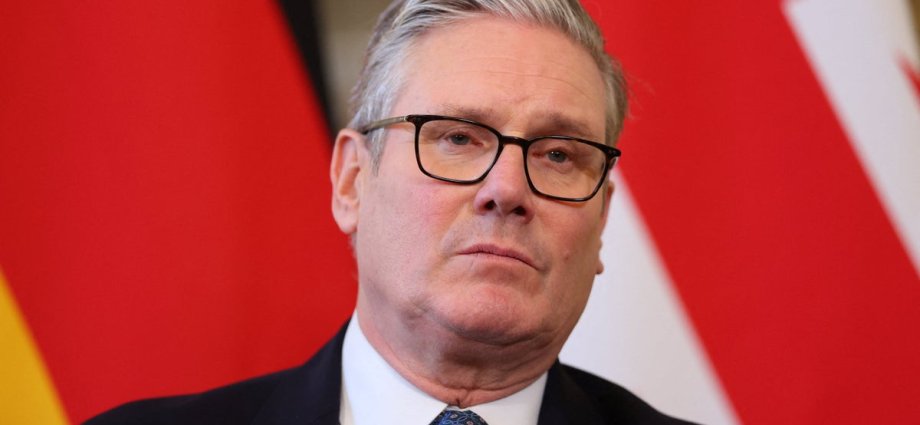
Former ministers and charities have hit out at Sir Keir Starmer for raiding the UK aid budget to crack down on illegal migration from Bangladesh rather than use the cash to help deal with humanitarian crises.
The row has broken out after it emerged that the UK plans to hand over aid money to Bangladesh’s migration ministry to deal with rogue agents selling bogus visas.
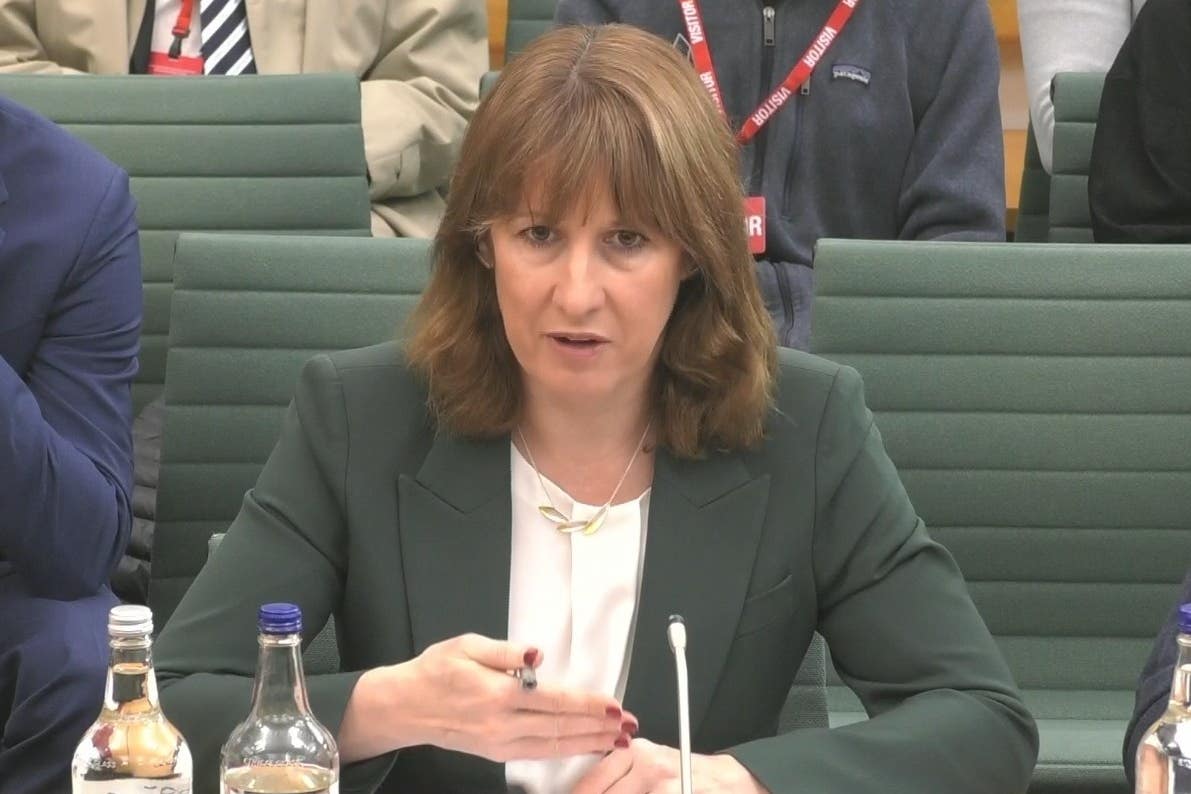
The plan will put more pressure on an already stretched aid budget, which has been slashed by chancellor Rachel Reeves to just 0.3 per cent of GDP even though Labour had pledged to restore it to 0.7 per cent.
Foreign secretary Yvette Cooper told The Independent: “Working with Bangladesh to hold rogue visa agents to account, we are strengthening the UK’s immigration system so the rules are respected and enforced and we are protecting people from exploitation.
“These reforms are already delivering results on the ground, giving victims an avenue to get their money back and undermining the business models of people who sell false promises of opportunities to work in the UK.”
But questions are being asked about why the UK government is using aid funding to tackle an issue that many believe should be coming out of the Home Office budget.
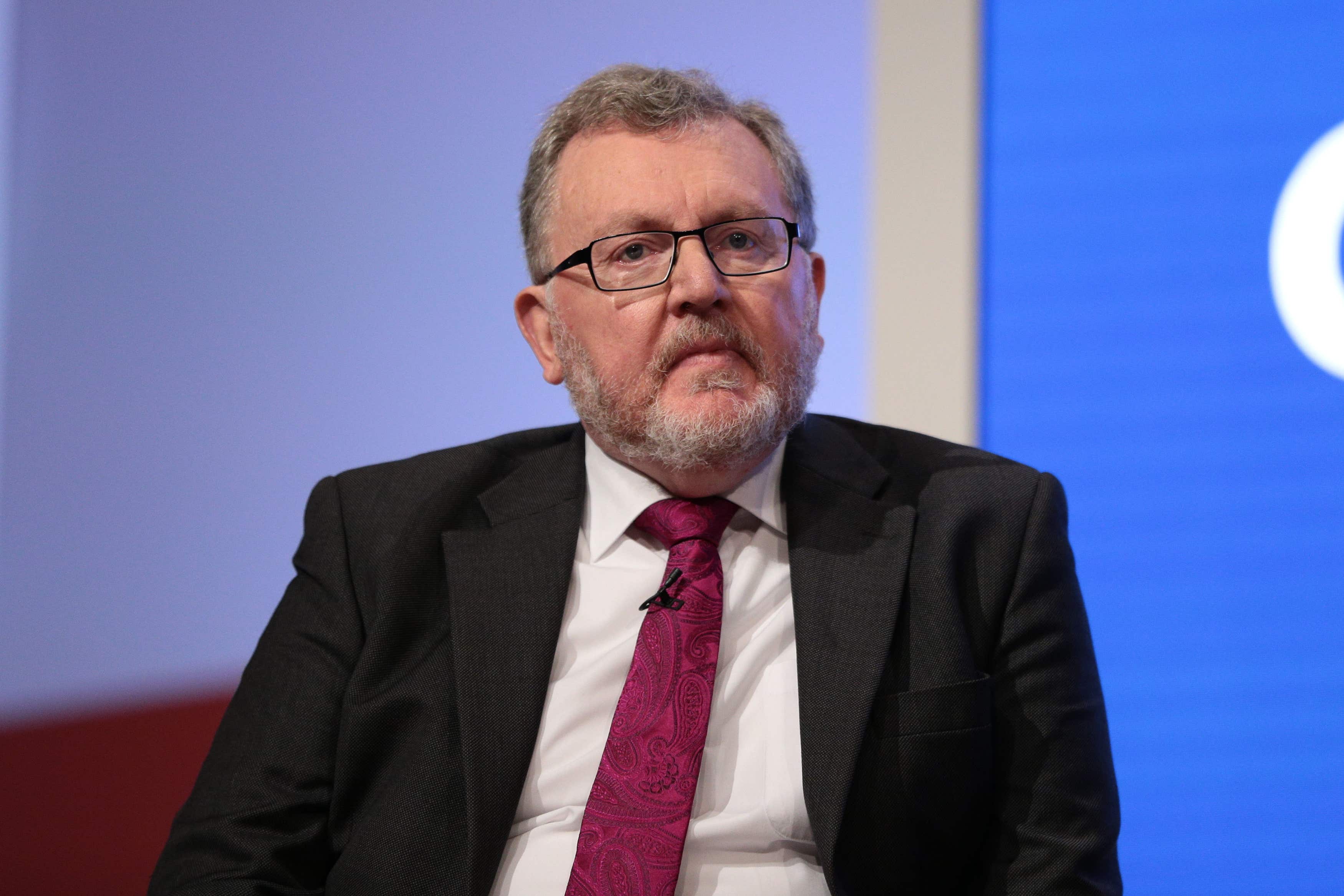
Former cabinet minister David Mundell, who is currently on the international development committee, said: “The aid budget, particularly now it is reduced, should be used to support the most vulnerable around the world.
“A huge proportion of the budget is already being used to pay for asylum seeker hotels in the UK and this would be just another example development used meet what are the responsibilities of the Home Office.”
Around £2.8bn is expected to be spent on accommodation for asylum seekers this financial year, with much of it coming from the UK aid budget.
It comes after former Labour cabinet minister Chris Smith warned that the fight against AIDS could be set back four decades because of aid cuts in the UK and US.
The Bangladeshi diaspora in the UK is believed to be about 700,000 people up from 450,000 in 2011. Last year a record 7,225 Bangladeshi nationals applied for asylum in the UK, a 42 per cent increase from 2023.
Since June 2025, over 12,000 Bangladeshis were granted study visas, underscoring the strong demand for UK education, while a study by the International Organization for Migration found that 45 per cent of migrant workers from Bangladesh depend on informal channels or subagents for information and assistance.
However, charities have also blasted the move for abandoning the vulnerable around the world.
Flora Alexander, the International Rescue Committee (IRC)’s UK executive director, said: “With the aid budget at its lowest in decades, every pound must go where it saves lives and tackles the root causes of crisis. That means prioritising fragile and conflict-affected states, where needs are greatest and where smart investment can help reduce the pressures that force people to leave their homes.”
An ActionAid UK spokeswoman said: “Aid should be used to address the soaring humanitarian need in conflict zones, tackle the climate crisis and support the fight for gender equality – not diverted arbitrarily to score dubious political points.
“At a time when the aid budget has been recklessly slashed to the lowest level in decades, it’s even more crucial that the remaining funding goes where it is desperately needed: to the women’s rights organisations working on the frontlines of crises.”
Meanwhile, experts have called for any funding to tackle the issue to be taken from Home Office budgets, rather than the limited foreign aid budget.
Gideon Rabinowitz, director of policy and advocacy at international development coalition Bond, said: “The UK government must stop using UK aid to cover Home Office costs in the essential work of supporting asylum-seekers, and ensure that every penny of UK aid counts towards alleviating poverty and improving the lives of the world’s most marginalised communities.”
Helen Dempster, co-director of Center for Global Development’s migration and displacement programme, added: “It is very hard to argue this is a better use of the limited aid budget than, say, providing life-saving humanitarian assistance or expanding vaccine access. Instead, these activities could be funded through the broader Home Office budget, perhaps leveraging revenue gained from increased visa fees.”
But former international development secretary Andrew Mitchell, who persuaded David Cameron to stick with the previous 0.7 per cent of GDP on aid, warned that it is “difficult” to criticise the move because it falls in the remit of aid spending.
He warned: “We in the development community have lost public support and we need to establish legitimacy and renewed support.”
The investment is an expansion of an existing programme into the region of Sylhet allowing closer oversight of visa agents in the area, give victims the ability to report fraud and recover losses, and reduce pressure on the UK immigration system by identifying visa fraud at source.
This article has been produced as part of The Independent’s Rethinking Global Aid project