











A new analysis has found that the mismanaged care of women who suffer from heavy bleeding while on their period is costing the NHS millions of pounds every year.
Experts said thousands of patients could be treated earlier in the community rather than in hospital.
Periods are considered heavy if a woman experiences blood loss that affects daily life, which impacts at least one in three women.
This includes regularly bleeding through pads, tampons or clothes, needing to change a tampon or pad every 30 minutes to two hours, or planning activities like work or shopping around periods, as there is so much blood loss.
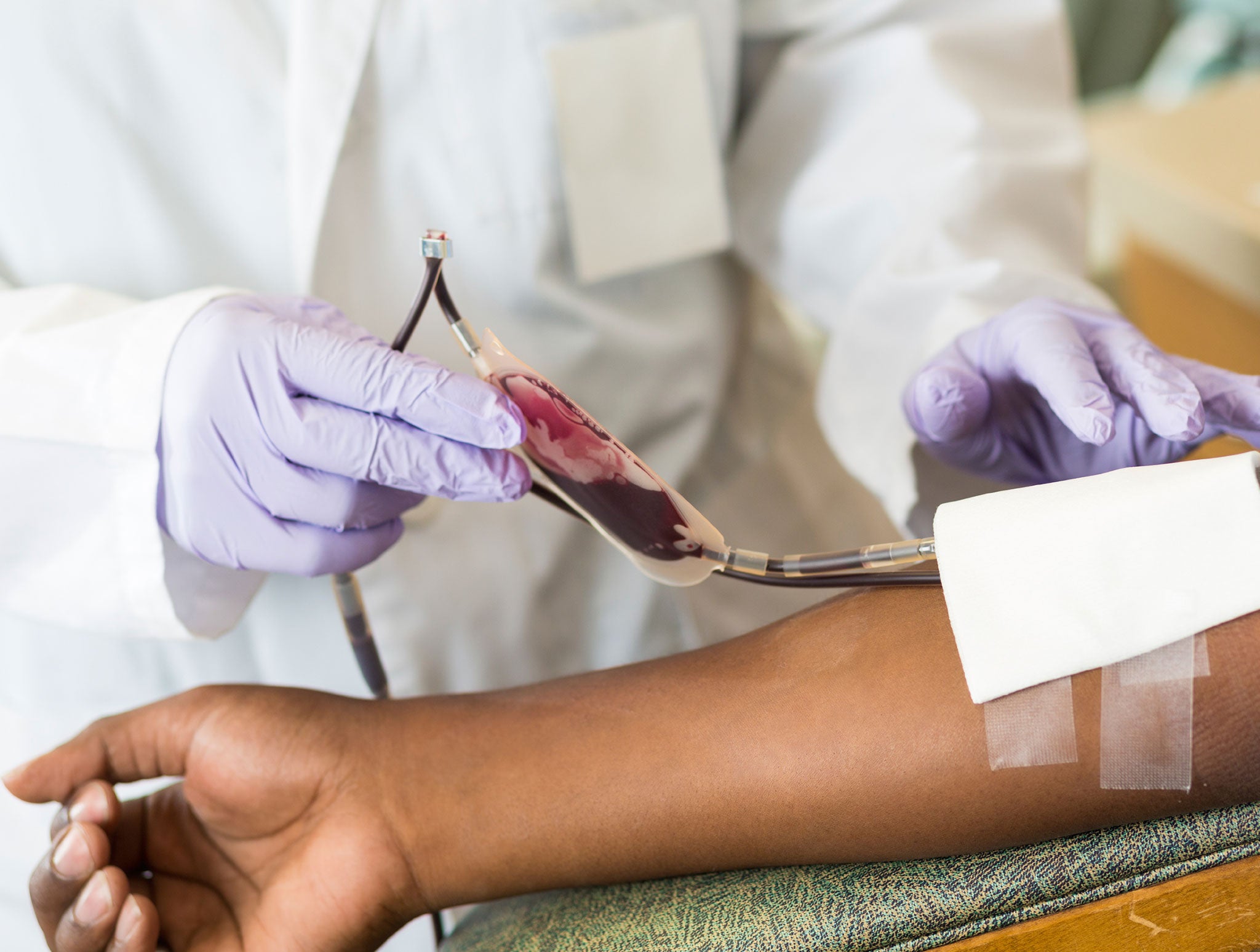
The condition can be treated with hormonal contraceptives or tranexamic acid, a medicine that controls bleeding. However, in some cases, the blood loss can cause anaemia, leading to women needing a blood transfusion.

For the study, researchers from Anglia Ruskin University looked at the number of women who were given this line of treatment in hospitals.
The team analysed data of 1,332 hospital visits from 98 NHS gynaecology units between January and June 2024, during which patients received a total of 3,025 units of red blood cells.
The mean cost per hospital admission was estimated at £2,972, with the average cost of post-discharge care at £1,735.
Researchers suggest this is the equivalent of a little over £13 million over 12 months.
The study, published in the Lancet Obstetrics, Gynaecology, & Women’s Health journal, was led by Dr Bassel Wattar, an associate professor of reproductive medicine at Anglia Ruskin University.
He said: “This is a silent crisis in women’s health. We are seeing thousands of women admitted to hospital for a condition that could often be managed earlier and more effectively in the community.”
Elsewhere, the analysis found the average stay in hospital was two days.
Most patients had additional treatment such as tranexamic acid, iron supplements or hormonal therapy, and one in five were discharged from hospital while still anaemic.
“Current guidelines and services offered in the NHS do not offer a clear pathway for managing acute heavy menstrual bleeding efficiently.
“This mismanagement leads to women are being discharged with temporary fixes, often still anaemic, and left to navigate long waiting lists for definitive care. We need to shift from reactive to proactive care.”
Reacting to the findings, Janet Lindsay, chief executive at Wellbeing of Women, said: “This study shows that we cannot afford to dismiss heavy menstrual bleeding as just a period.
“The impact of heavy menstrual bleeding on women’s lives is real and it can be debilitating.

“They may fear leaving the house, be forced to take days off work or school, or cancel plans with loved ones. No one should have to get to the point of being hospitalised because of heavy menstrual bleeding, especially when treatments exist which could help avoid this escalation.
“Too often, women and girls are told that heavy bleeding and intense period pain are ‘normal’, when these symptoms may signal serious conditions like fibroids, endometriosis or adenomyosis.
“This stigma delays help-seeking and leaves many feeling unheard or dismissed when they do finally reach out. Healthcare professionals are vital in breaking this cycle.
“Listening to patients when they approach them about menstrual symptoms is essential to improving outcomes and rebuilding trust in women’s healthcare.”
Dr Sue Mann, national clinical director in women’s health at NHS England, said: “It’s vital that women experiencing heavy bleeding seek help from the NHS before it leads to serious conditions such as chronic anaemia, so please do come forward for support.
“We’re working hard to ensure it is more convenient for women to access care by boosting NHS community support, with most local areas establishing specialist women health hubs which provide menstrual care, alongside improving the education and training of healthcare professionals.”