










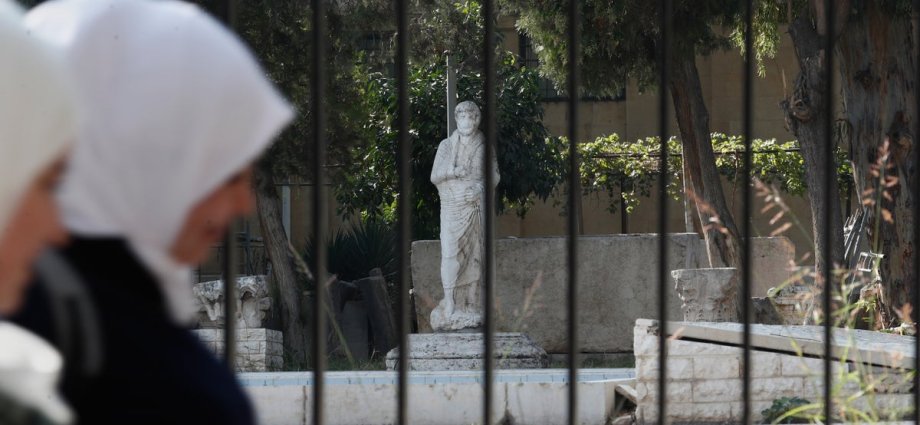
Investigators believe the theft of several ancient Roman statues from Syria’s National Museum in Damascus was likely the work of an individual, not an organised gang, officials said on Wednesday.
The museum has remained closed since the discovery of the theft early on Monday.
This incident comes just months after the institution reopened in January, following the country’s recovery from a 14-year civil war and the end of 54 years of Assad family rule last year.
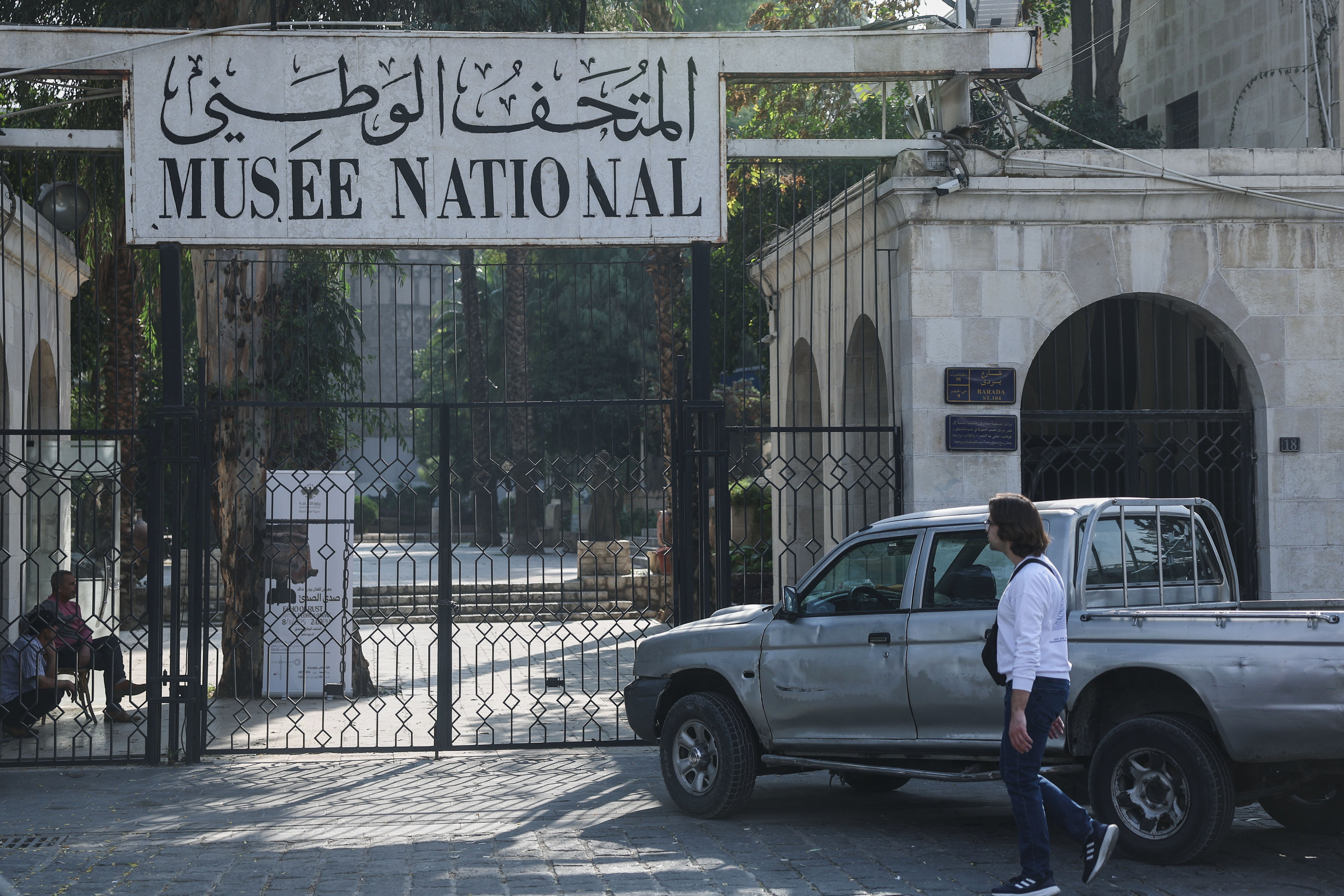
On Wednesday, a security vehicle was observed parked outside the main gate of the central Damascus museum, with guards present and public access denied due to the ongoing investigation.
Two officials from Syria’s Directorate-General for Antiquities and Museums said that progress has been made in the investigation and that results are expected soon. They spoke on condition of anonymity because they were not allowed to speak about the details of the investigation to the media.
“God willing we will reach good results,” one of the officials said.
The country’s largest museum houses priceless antiquities. After the civil war started in March 2011, security was improved with metal gates and surveillance cameras, and authorities moved hundreds of artifacts to Damascus from around the country.
The theft angered Damascus residents who said that such acts tarnish the image of the country as it tries to rebuild from a war that left half a million people dead.
“This is not only an aggression on the Syrian state but an aggression on Syrian civilization,” said resident Waddah Khalifeh when asked about the theft. He expressed fears that the thieves might aim to smuggle the statues and sell them abroad.
On Tuesday the Directorate-General for Antiquities and Museums said that the theft did not affect activities at the museum and claimed that visitors were visiting the facility as usual.
An AP journalist who tried to enter the museum on Wednesday was told that all sections, including those that are outdoors, were closed because of the investigation.

The museum reopened on 8 January, a month after rebels ousted President Bashar Assad, ushering in a new era for the country. Fearful of looting, the museum had briefly closed after a rebel offensive ended five decades of Assad family rule.
The years of conflict had badly affected areas including the historic central town of Palmyra, once held by the Islamic State group.
In 2015, IS members destroyed mausoleums in Palmyra’s UNESCO World Heritage site that is famous for its 2,000-year-old Roman colonnades, other ruins and priceless artifacts.
“I hope that these pieces will be returned because this is good for the new Syria,” said another resident, Hussein Abu al-Kheir, referring to post-Assad Syria.