










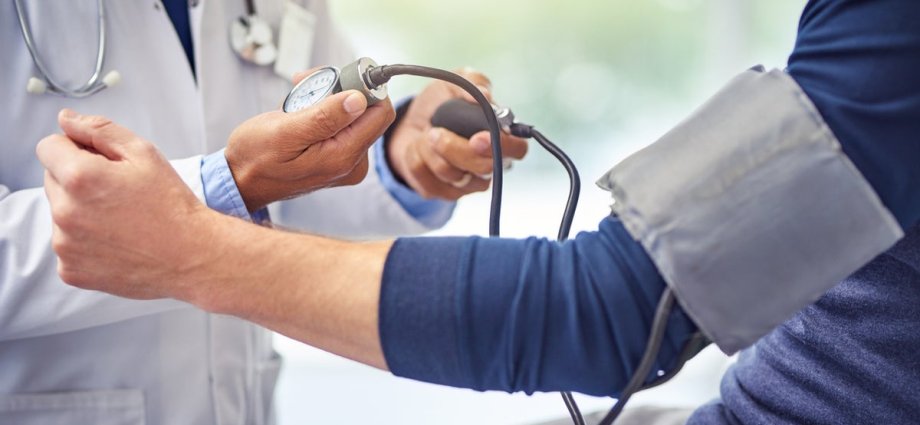
New research suggests that even slightly high blood pressure in your 30s may raise the risk of a heart attack or stroke later in life.
The MyoFit46 study by University College London (UCL) of more than 450 Britons found that higher blood pressure from the 30s through later decades was linked to reduced blood flow to the heart by age 77.
Funded by the British Heart Foundation (BHF) and published in Circulation: Cardiovascular Imaging, the research found that even “normal but high” or rapidly rising blood pressure could quietly damage the heart over time.
Risk patterns were seen as early as age 36, even when participants did not meet the criteria for a high blood pressure diagnosis, the report said.
Dr Gaby Captur, senior author and UCL associate professor, said: “Small, steady increases in blood pressure through adulthood, even if you have a ‘normal but high’ reading, can be quietly damaging the heart, long before symptoms appear.

“Your blood pressure in your 30s, we found, can affect the heart 40 years later. We’ve shown that lifelong blood pressure control is an investment in how well the heart ages.
“Our hearts remember decades of blood pressure exposure. Therefore, protecting heart health must start while you’re young, before blood pressure begins to creep up.”
The study showed that every 10-point rise in systolic blood pressure between ages 36 and 69 reduced heart blood flow by up to 6 per cent at age 77, while rises between 43 and 63 could reduce it by up to 12 per cent.
Every 1 per cent reduction in blood flow was linked to a 3 per cent higher risk of a major cardiac event, the study showed.
Symptoms of a heart attack
NHS
Symptoms of a heart attack can include:
- chest pain – a feeling of pressure, heaviness, tightness or squeezing across your chest
- pain in other parts of the body – it can feel as if the pain is spreading from your chest to your arms (usually the left arm, but it can affect both arms), jaw, neck, back and tummy
- feeling lightheaded or dizzy
- sweating
- shortness of breath
- feeling sick (nausea) or being sick (vomiting)
- an overwhelming feeling of anxiety (similar to a panic attack)
- coughing or wheezing
Lifestyle changes, including a healthy diet, regular exercise and weight management, can help lower blood pressure, according to the NHS website.
Treatment is usually recommended if systolic blood pressure reaches 140, or 130 for people with cardiovascular disease, but researchers say keeping it under 120 may better protect the heart.
Professor Bryan Williams of the BHF added: “Blood pressure is a silent killer, and the most important cause of heart attacks, strokes and early death in the UK each year.
“The reason we refer to blood pressure as the silent killer is that it is usually symptomless and blood pressure levels creep up gradually, so the only way of being sure you don’t have high blood pressure is to get it checked.
“This interesting research suggests that we should be encouraging people to get regular blood pressure checks from a younger age, when it is often much easier to control.”