








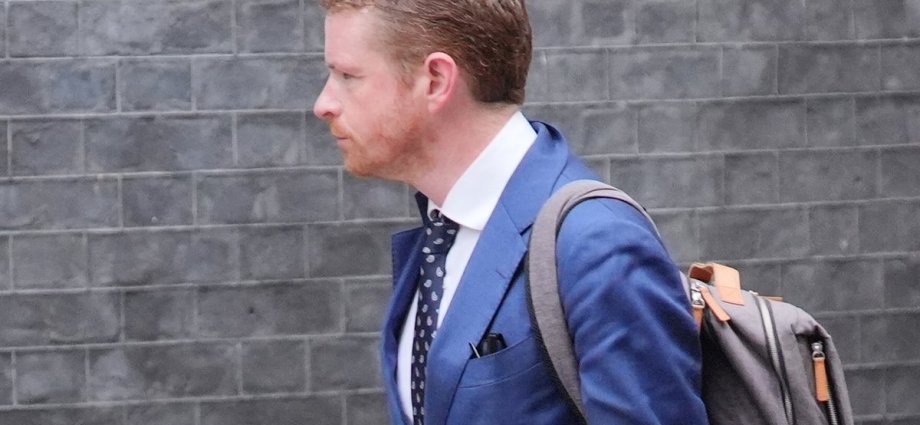
Sir Keir Starmer has insisted he has confidence in his under-fire chief of staff, Morgan McSweeney, amid growing pressure over his involvement in the appointment of Peter Mandelson as Britain’s ambassador to the US.
It comes amid reports he personally pushed for Lord Mandelson’s appointment, despite concerns over his links with Jeffrey Epstein.
Britain’s ambassador to the US was dramatically sacked on Thursday amid new revelations about his relationship with the convicted paedophile – raising serious questions about the prime minister’s judgement.
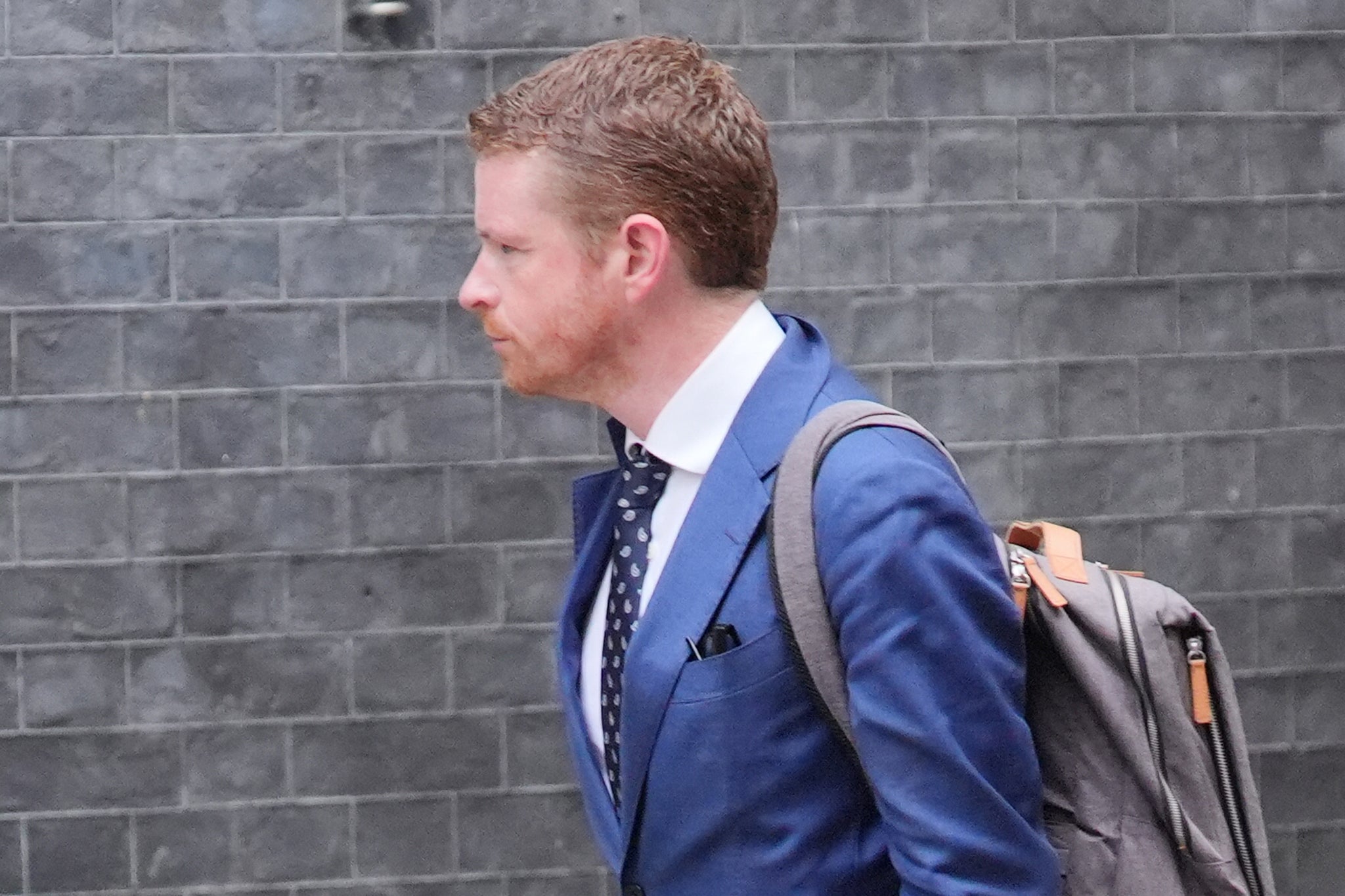
The claims about Mr McSweeney’s involvement have raised questions over whether or not he is the right person for the top Downing Street job, with former foreign secretary Sir Malcolm Rifkind suggesting the revelations may mean Sir Keir has to sack his chief of staff if the claims are true.
But Downing Street rowed in behind the under-fire chief of staff on Friday morning. Asked whether the prime minister still has confidence in him, his spokesperson said: “Of course the prime minister has confidence in his top team. And they are getting on with the important work of this government”.
It came after Sir Malcolm told Times Radio: “McSweeney may or may not have been foolish in the advice he gave. I just don’t know. I’m not privy to exactly what went on in the conversations he had with the prime minister don’t suppose you are either.
“So I don’t think we can reach conclusions on that. That’s for the prime minister to decide whether he’s a suitable adviser for the future depending on what did actually happen.”
Meanwhile, Tory leader Kemi Badenoch immediately seized on the reports, urging both Sir Keir and Mr McSweeney to explain themselves to the public.
She said: “These latest revelations point yet again to the terrible judgement of Keir Starmer and why it is imperative that all documents relating to Peter Mandelson’s appointment are released immediately.
“If it is true that Starmer or his chief of staff Morgan McSweeney overruled the security services, as has been alleged, they need immediately to explain to the public why they did so.”
One senior Labour figure told The Independent that Sir Keir should look again at his No 10 operation in the wake of Lord Mandelson’s sacking.
“I don’t come across any Morgan McSweeney fans,” they said. “His contempt for MPs is well known”.
Meanwhile, former shadow chancellor John McDonnell warned: “A choice is emerging for Keir. Either McSweeney goes or he does.”
Lord Mandelson’s sacking came after a string of shocking revelations, including emails appearing to show him offering support for Epstein as he faced charges of child sex offences.
Downing Street has insisted that the “depth and extent” of Lord Mandelson’s relationship with Epstein was “materially different” to what was known at the time of his appointment.
Emails published on Wednesday afternoon included passages in which Lord Mandelson had told Epstein to “fight for early release” shortly before he was sentenced to 18 months in prison.
It is understood that the vetting process for ambassadors is closed to ministers, meaning that neither Sir Keir Starmer nor foreign secretary David Lammy had access to detailed information on it.
Downing Street could not say whether or not the emails that were revealed in the press this week formed part of that vetting process – meaning he may have been approved by the vetting service despite his correspondence with Epstein.
The Conservatives have since said they plan to try and force a vote in parliament to make the government publish all the information relating to Lord Mandelson’s appointment, piling further pressure on the government to reveal exactly what the prime minister knew and when.
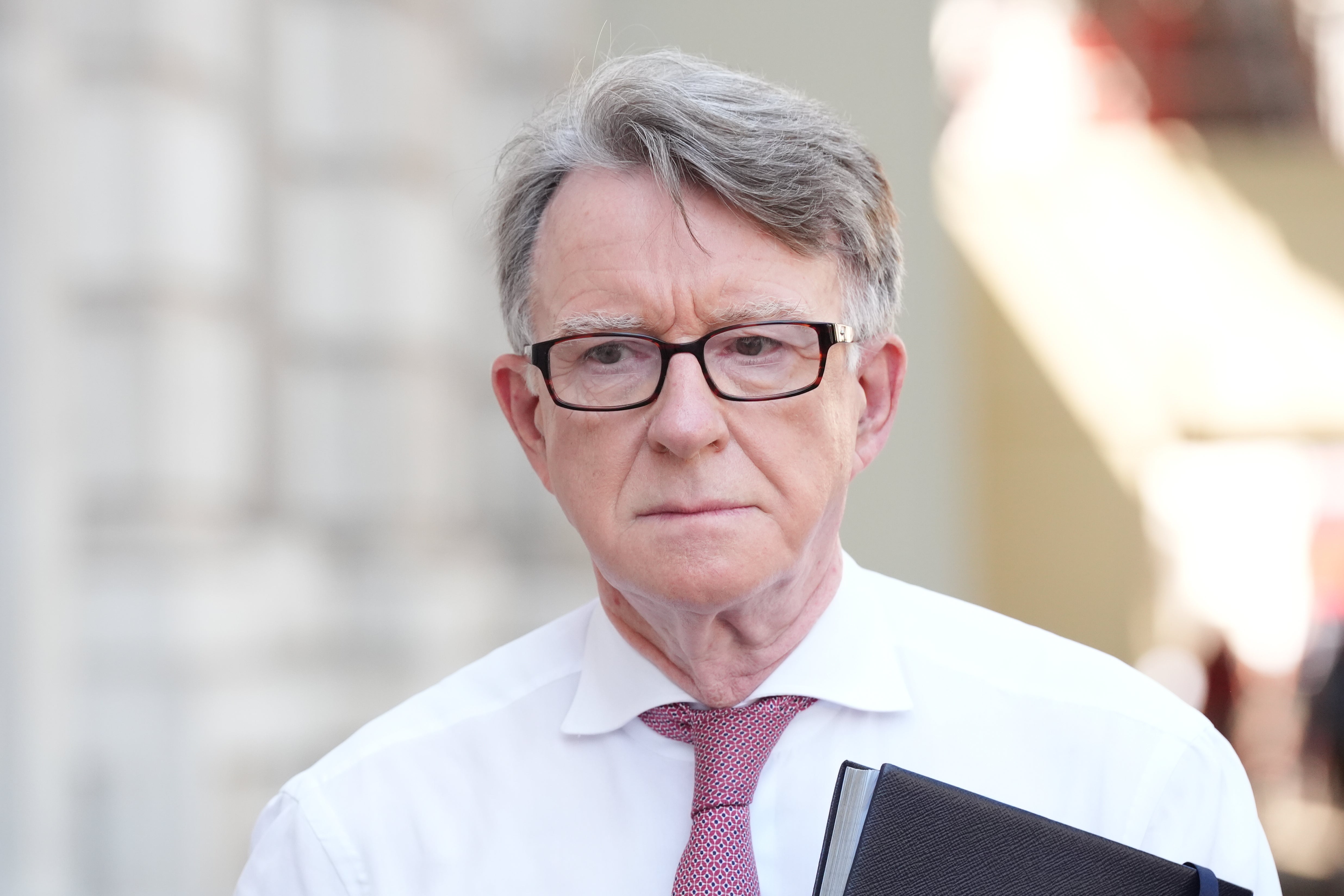
And as questions swirled about the PM’s judgement, after two resignations in less than a week of politicians he publicly backed, the Labour chair of the Foreign Affairs Committee called for it to be allowed to vet the next US ambassador to Washington.
“We asked to do this with Mandelson,” Emily Thornberry said, arguing the government should welcome the scrutiny.
On Friday, a cabinet minister admitted Lord Mandelson’s appointment was “high risk, high reward”.
Douglas Alexander, the Scotland secretary, said that all three of the last Labour prime ministers had recognised that Mandelson was a “high risk” appointment but that he could bring “very high rewards” later saying that the appointment was a “judgment” that an “unconventional presidential administration” required an “unconventional ambassador”.